
Scenario Review: Character Consistency Tested
Keeps a recurring character recognizable across new scenes and angles, but breaks on emotional expression prompts.
Strong identity engine, but expression and body stability remain brittle.
- You need the same character to stay recognizable across multiple scenes and outfits.
- You want strong environment and lighting matching from a single reference image.
- You are testing a near-profile or 3/4 reference and want the angle preserved.
- Your project depends on angry, guarded, or otherwise intense facial expressions.
Our take
Scenario was the strongest performer on the near-profile stress test and kept the subject recognizable across new scenes, outfits, and camera angles. The free tier is practical and direct-download friendly, but the tool repeatedly neutralized angry or guarded prompts and showed body thinning in the full-body market scene.
Benchmark participation
Benchmark participation is temporarily unavailable.
In-Depth Review
Our detailed analysis of Scenario — features, performance, and real-world testing.
Feature-by-Feature Breakdown
Reference-Image Character GenerationStrong▾
Feature tested: Reference-Image Character Generation
Result: Passed
Verdict: Strong
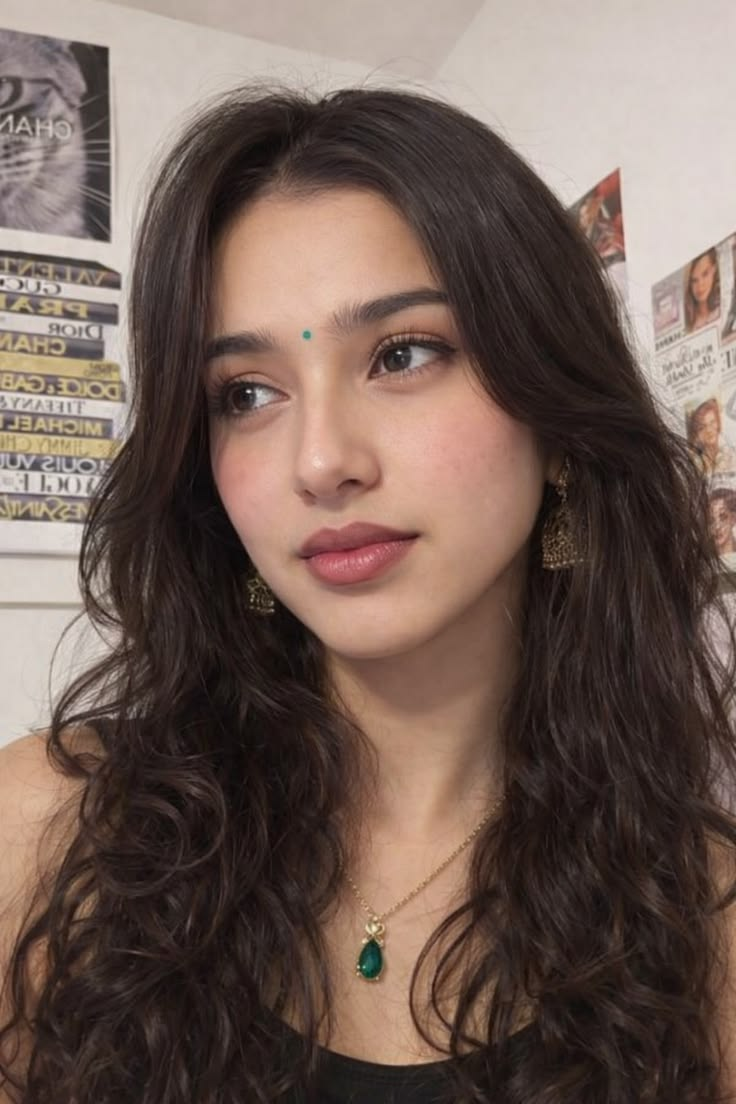
Expected behavior: Uses a single reference image to keep the same character recognizable across different scenes and outfits. In this research, it carried identity through the cafe, desert horse-riding, and interrogation-room renders from Input 1, and also held up on the interrogation render from Input 2.
Test case: Image → Image
Input type: Image
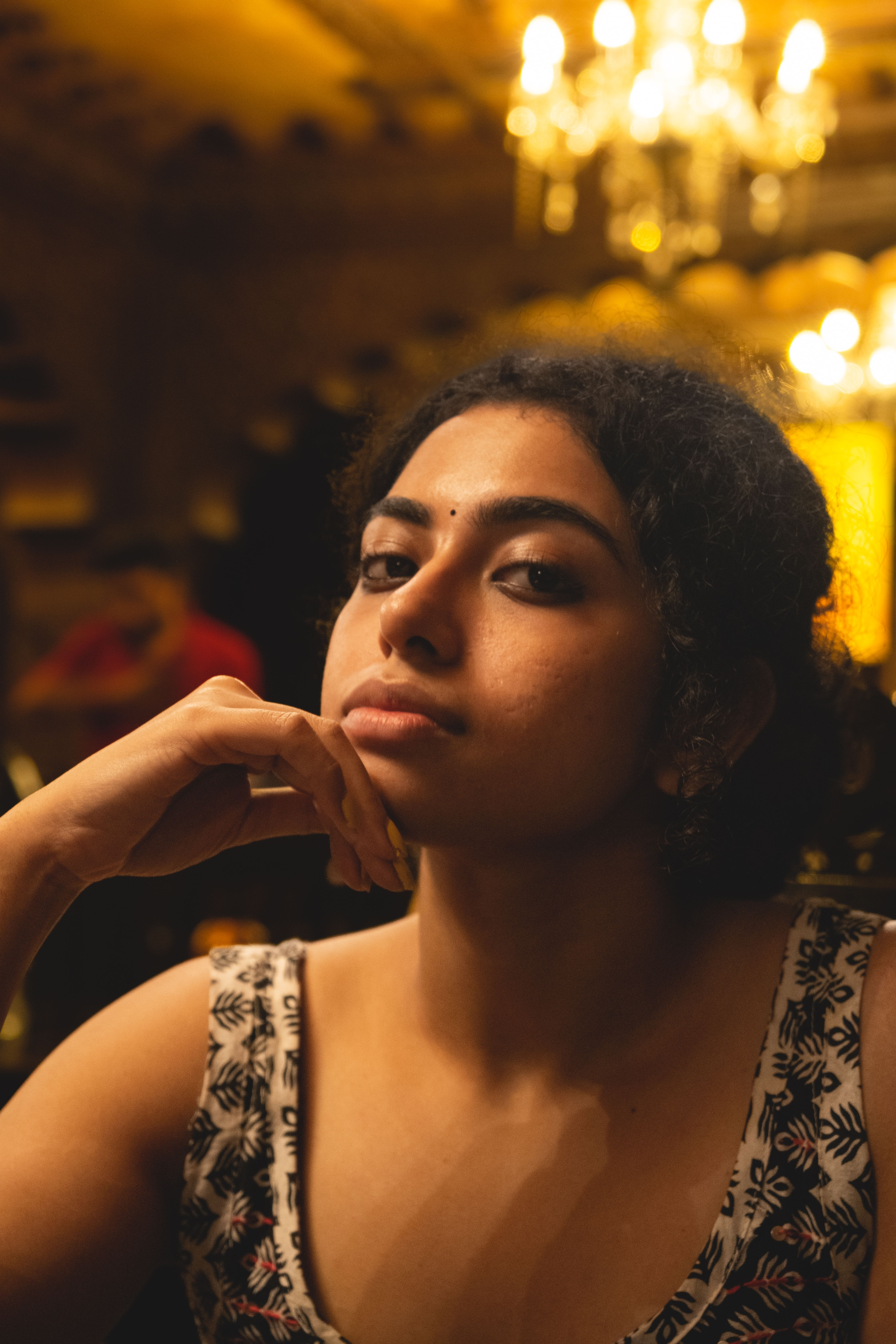
Input used: Input artifact (Image): Input 1 — full frontal portrait reference. — INPUT 1.png
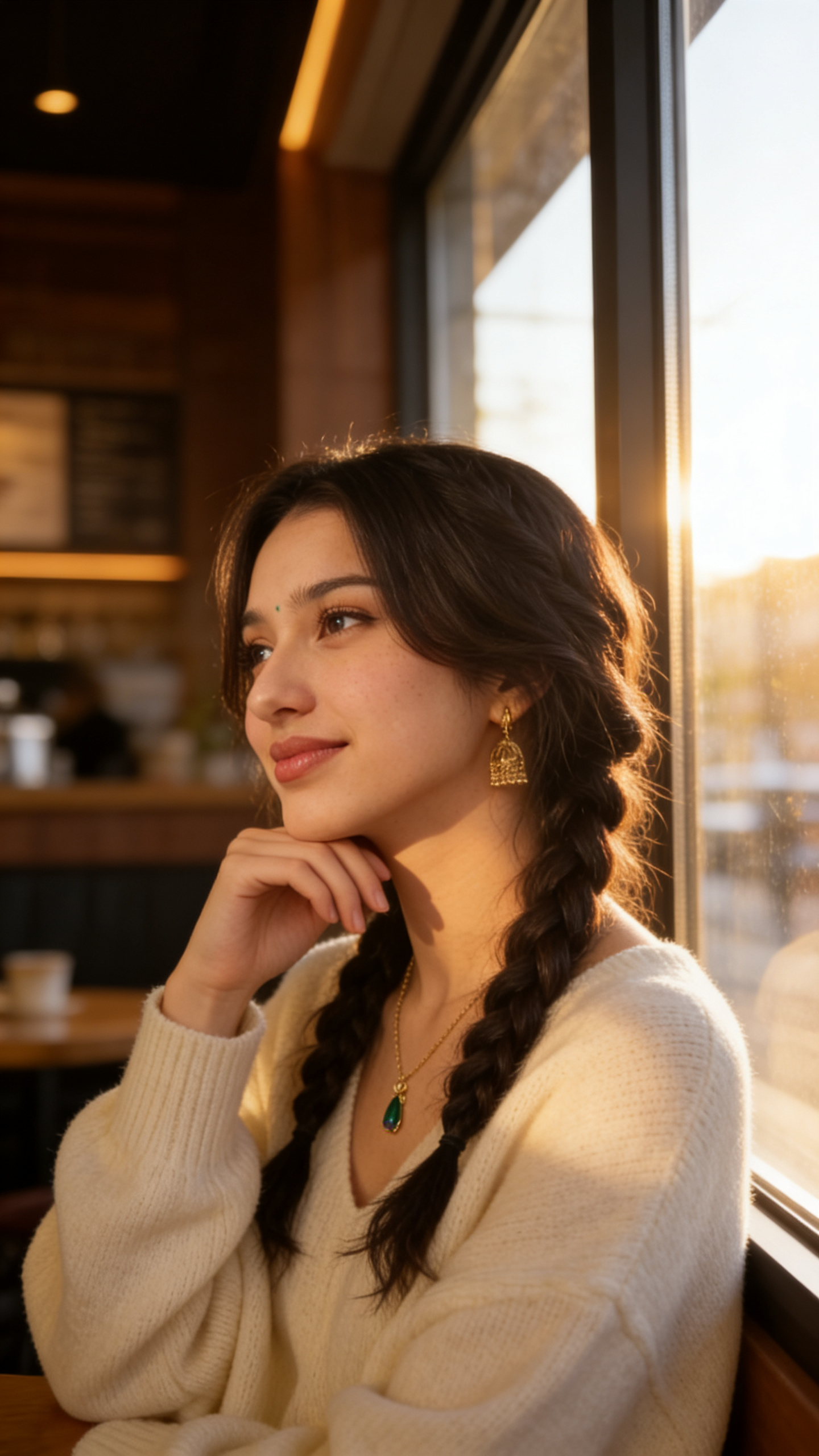
Observed output: Output artifact (Image): Warm lighting, cozy background blur, the cream sweater, braided hairstyle, and jewellery all matched the prompt, and the subject remained recognizable, but the face was mildly beautified and the skin texture was softened. — Scenario_input1_warm_cafe.PNG
Input artifact: Input artifact (Image): Input 1 — full frontal portrait reference. — INPUT 1.png
Output artifact: Output artifact (Image): Warm lighting, cozy background blur, the cream sweater, braided hairstyle, and jewellery all matched the prompt, and the subject remained recognizable, but the face was mildly beautified and the skin texture was softened. — Scenario_input1_warm_cafe.PNG
What changed: Image transformed into Image
Test case: Image → Image
Input type: Image
Input used: Input artifact (Image): Input 1 — full frontal portrait reference. — INPUT 1.png
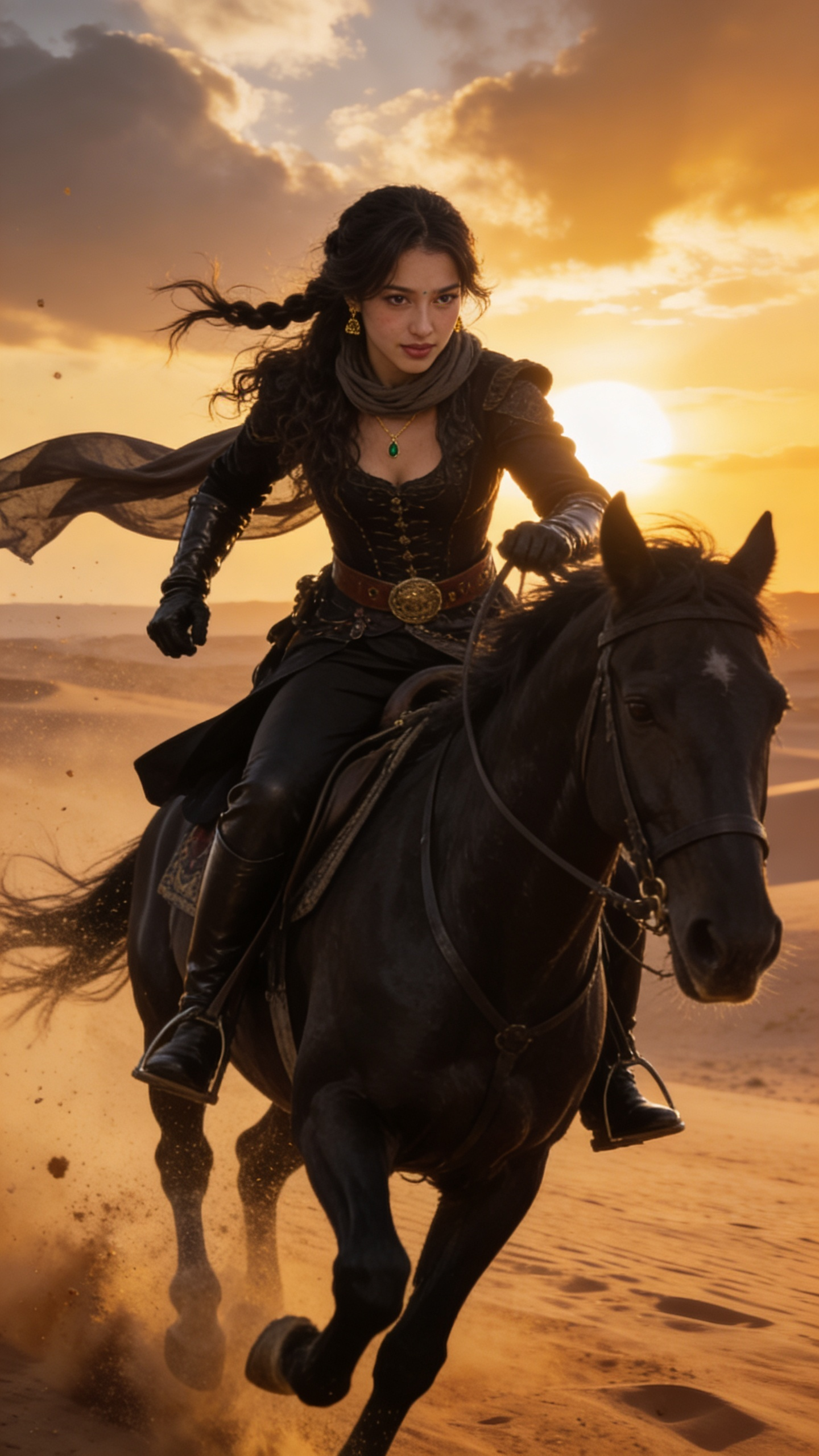
Observed output: Output artifact (Image): The horse-riding scene kept the face shape, eyes, scarf, gloves, boots, and overall look close to the reference while preserving the character identity well; the skin tone was slightly lighter and the skin remained over-smoothed. — Scenario_input1_horseride.PNG
Input artifact: Input artifact (Image): Input 1 — full frontal portrait reference. — INPUT 1.png
Output artifact: Output artifact (Image): The horse-riding scene kept the face shape, eyes, scarf, gloves, boots, and overall look close to the reference while preserving the character identity well; the skin tone was slightly lighter and the skin remained over-smoothed. — Scenario_input1_horseride.PNG
What changed: Image transformed into Image
Test case: Image → Image
Input type: Image
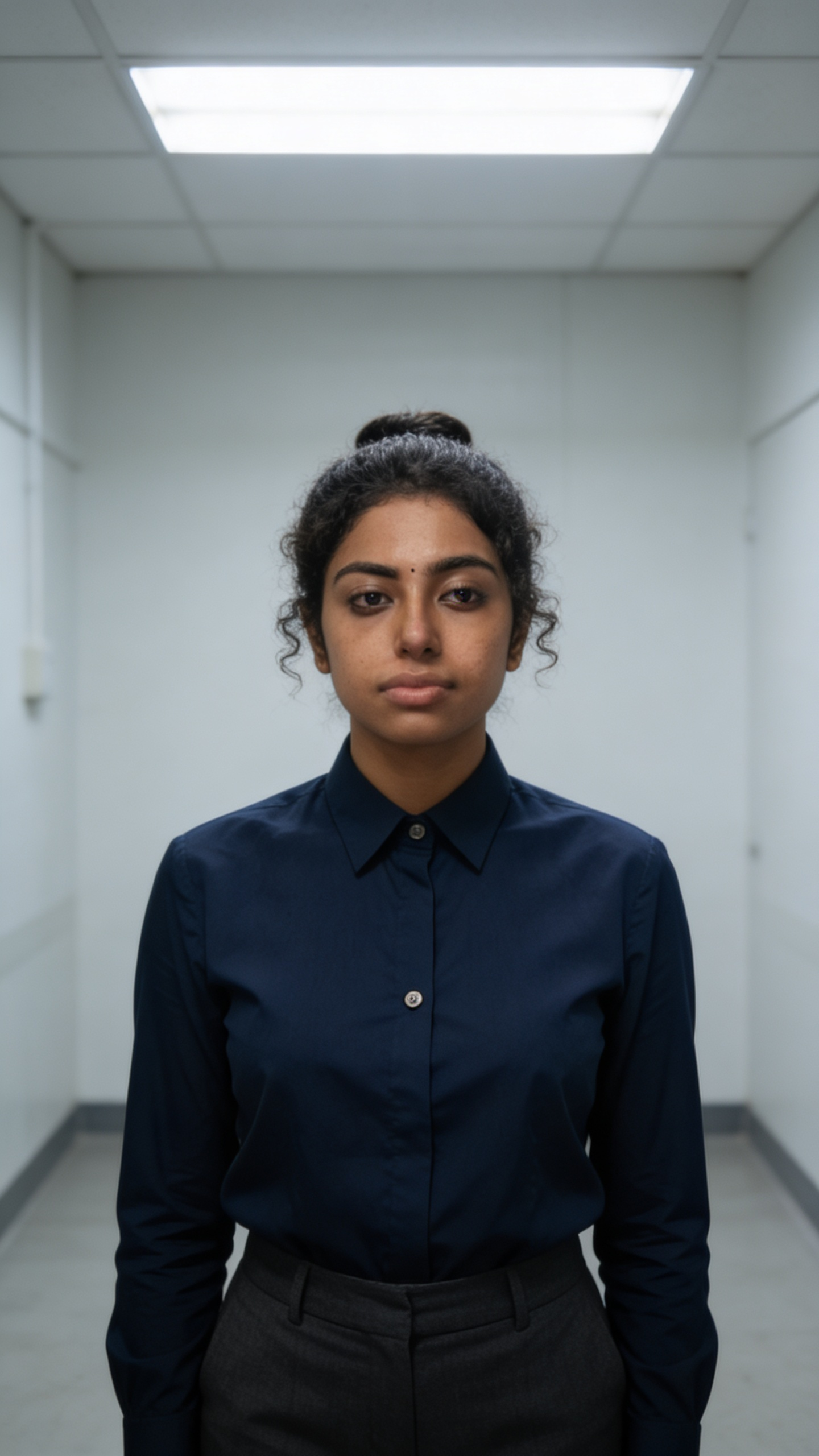
Input used: Input artifact (Image): Input 1 — full frontal portrait reference. — INPUT 1.png
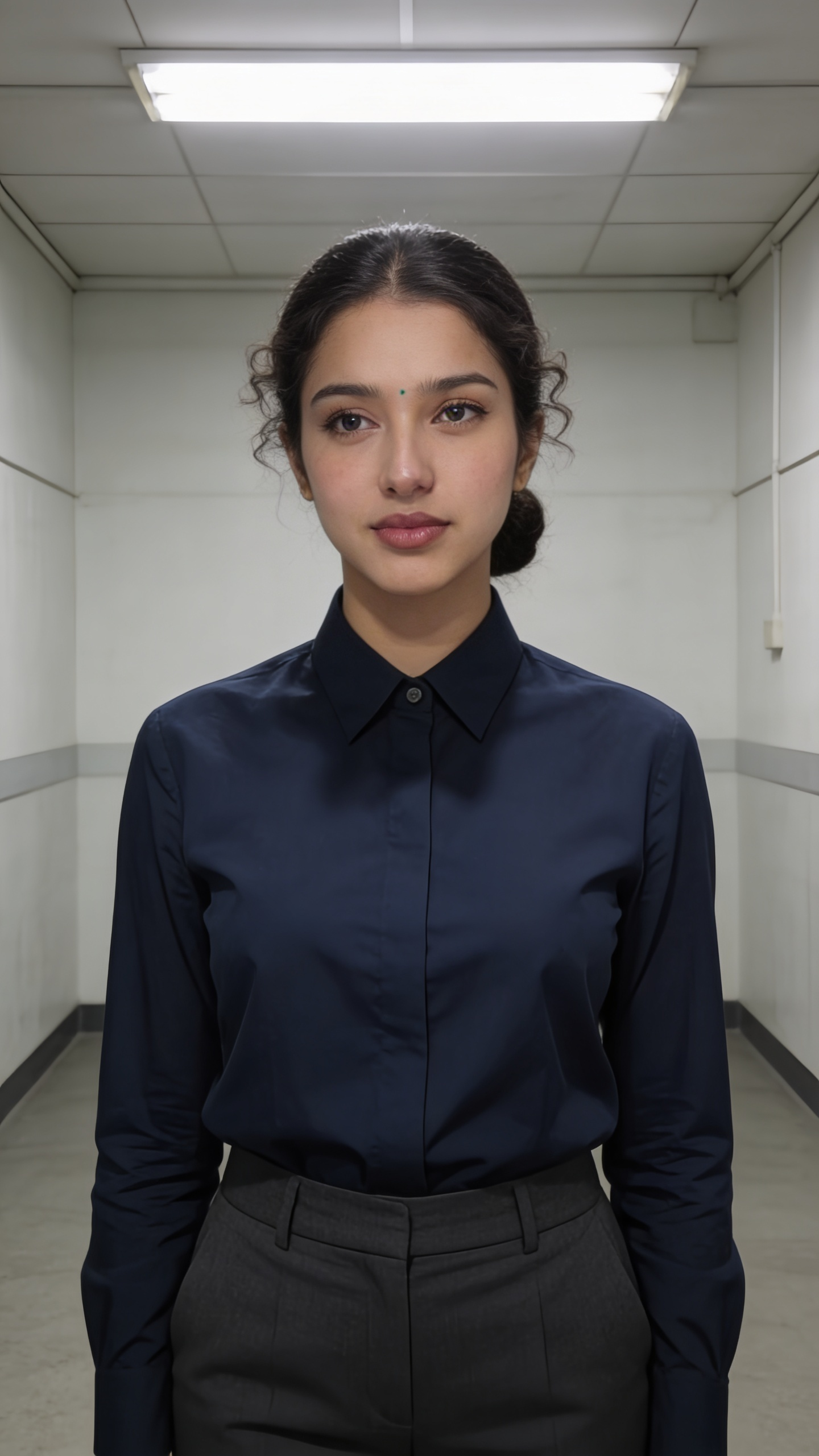
Observed output: Output artifact (Image): The interrogation render kept the shirt, trousers, tied-back hairstyle, and overall facial identity recognizable, but the face was more refined than the reference and the neutral expression reduced likeness. — Scenario_input1_interrogation.PNG
Input artifact: Input artifact (Image): Input 1 — full frontal portrait reference. — INPUT 1.png
Output artifact: Output artifact (Image): The interrogation render kept the shirt, trousers, tied-back hairstyle, and overall facial identity recognizable, but the face was more refined than the reference and the neutral expression reduced likeness. — Scenario_input1_interrogation.PNG
What changed: Image transformed into Image
Test case: Image → Image
Input type: Image
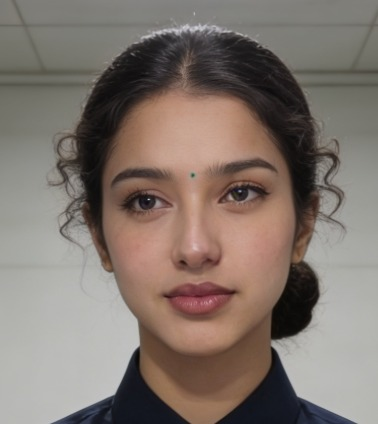
Input used: Input artifact (Image): Input 2 — 3/4 face reference with softer restaurant lighting. — INPUT 2.png
Observed output: Output artifact (Image): This output kept the face shape, curly hair texture, eyebrows, and structural likeness close to Input 2, making it the strongest identity match from that reference, although the face still came back softened and neutral. — Scenario_input2_interrogation.PNG
Input artifact: Input artifact (Image): Input 2 — 3/4 face reference with softer restaurant lighting. — INPUT 2.png
Output artifact: Output artifact (Image): This output kept the face shape, curly hair texture, eyebrows, and structural likeness close to Input 2, making it the strongest identity match from that reference, although the face still came back softened and neutral. — Scenario_input2_interrogation.PNG
What changed: Image transformed into Image
Why it matters / Conclusion: Strong identity retention across structured scene changes, with a consistent beautification layer.
Uses a single reference image to keep the same character recognizable across different scenes and outfits. In this research, it carried identity through the cafe, desert horse-riding, and interrogation-room renders from Input 1, and also held up on the interrogation render from Input 2.
Scene Recontextualization and RelightingMixed▾
Feature tested: Scene Recontextualization and Relighting
Result: Partial
Verdict: Mixed
Expected behavior: Moves the subject into new environments and lighting setups while matching the requested scene fairly well. The cafe, desert, interrogation-room, market, and rooftop outputs showed the intended setting, with the rooftop golden-hour render coming through strongest.
Test case: Image → Image
Input type: Image
Input used: Input artifact (Image): Input 1 — full frontal portrait reference. — INPUT 1.png
Observed output: Output artifact (Image): The warm cafe setting, background blur, and cozy lighting matched the prompt well, and the character fit naturally into the environment. — Scenario_input1_warm_cafe.PNG
Input artifact: Input artifact (Image): Input 1 — full frontal portrait reference. — INPUT 1.png
Output artifact: Output artifact (Image): The warm cafe setting, background blur, and cozy lighting matched the prompt well, and the character fit naturally into the environment. — Scenario_input1_warm_cafe.PNG
What changed: Image transformed into Image
Test case: Image → Image
Input type: Image
Input used: Input artifact (Image): Input 1 — full frontal portrait reference. — INPUT 1.png
Observed output: Output artifact (Image): The desert riding scene was cinematic and the lighting, dust, and motion all fit the prompt, while the character remained integrated into the environment. — Scenario_input1_horseride.PNG
Input artifact: Input artifact (Image): Input 1 — full frontal portrait reference. — INPUT 1.png
Output artifact: Output artifact (Image): The desert riding scene was cinematic and the lighting, dust, and motion all fit the prompt, while the character remained integrated into the environment. — Scenario_input1_horseride.PNG
What changed: Image transformed into Image
Test case: Image → Image
Input type: Image
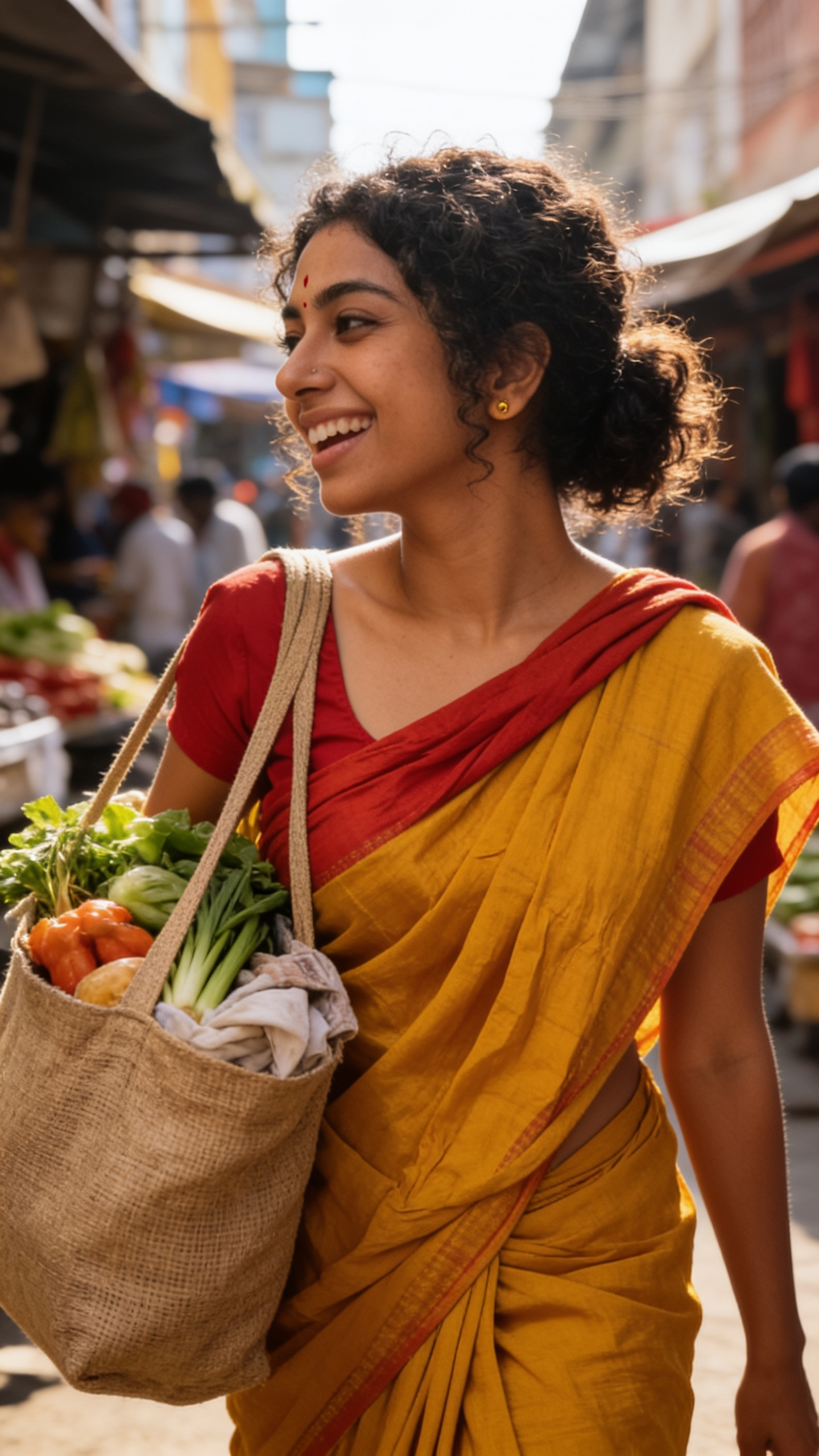
Input used: Input artifact (Image): Input 2 — 3/4 face reference with softer restaurant lighting. — INPUT 2.png
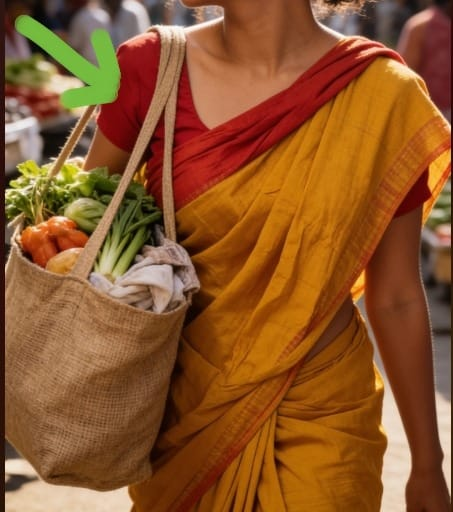
Observed output: Output artifact (Image): The crowded street market scene was rendered convincingly overall, with the saree and market environment executed well, but the full-body framing introduced visible body thinning and slightly awkward bag-strap placement. — Scenario_input2_market.PNG
Input artifact: Input artifact (Image): Input 2 — 3/4 face reference with softer restaurant lighting. — INPUT 2.png
Output artifact: Output artifact (Image): The crowded street market scene was rendered convincingly overall, with the saree and market environment executed well, but the full-body framing introduced visible body thinning and slightly awkward bag-strap placement. — Scenario_input2_market.PNG
What changed: Image transformed into Image
Test case: Image → Image
Input type: Image
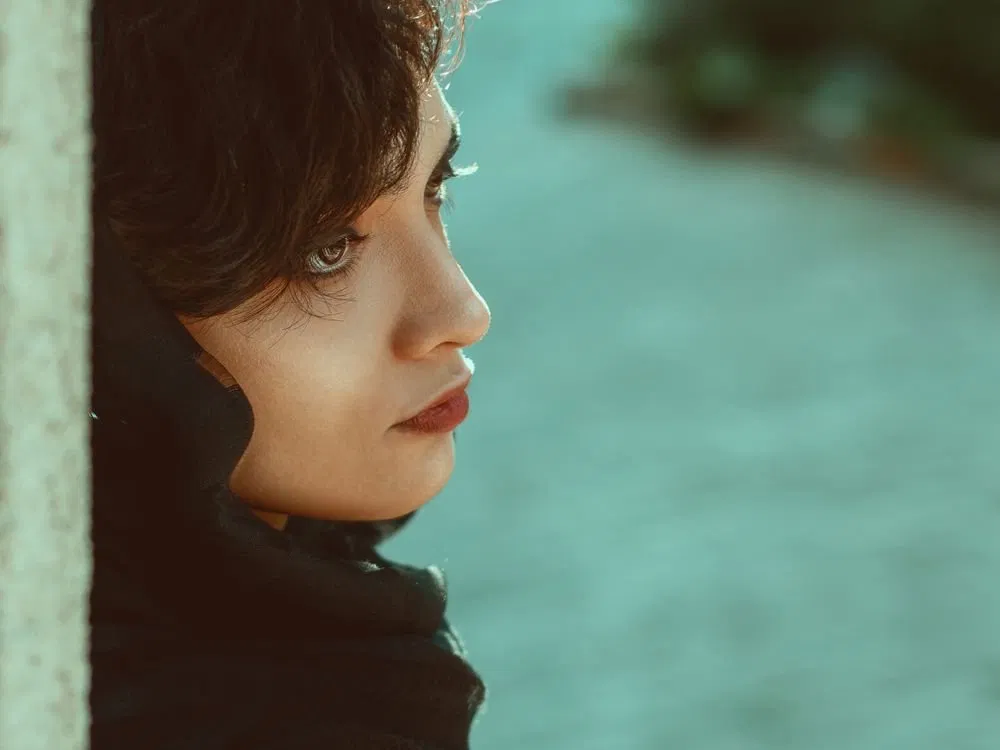
Input used: Input artifact (Image): Input 3 — near-profile stress-test reference with natural outdoor light. — INPUT 3.png
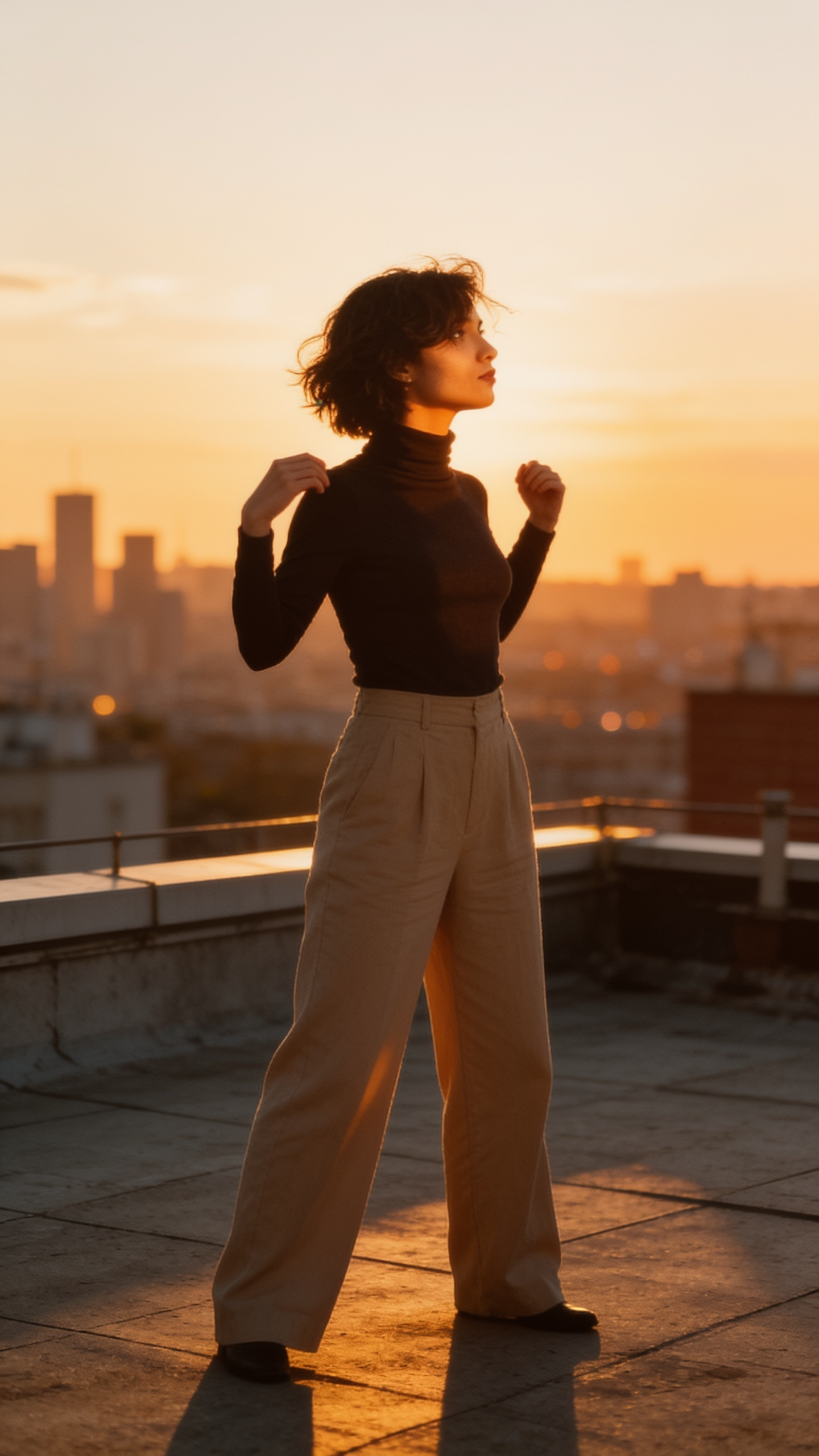
Observed output: Output artifact (Image): The rooftop golden-hour scene matched the amber light, shadow direction, and sunset glow very well, and it kept the character integrated into the scene without distortion. — Scenario_input3_rooftop.PNG
Input artifact: Input artifact (Image): Input 3 — near-profile stress-test reference with natural outdoor light. — INPUT 3.png
Output artifact: Output artifact (Image): The rooftop golden-hour scene matched the amber light, shadow direction, and sunset glow very well, and it kept the character integrated into the scene without distortion. — Scenario_input3_rooftop.PNG
What changed: Image transformed into Image
Why it matters / Conclusion: Environment and lighting are solid, and the rooftop is best; crowd-framed compositions can thin the body.
Moves the subject into new environments and lighting setups while matching the requested scene fairly well. The cafe, desert, interrogation-room, market, and rooftop outputs showed the intended setting, with the rooftop golden-hour render coming through strongest.
Pose and View-Angle PreservationStrong▾
Feature tested: Pose and View-Angle Preservation
Result: Passed
Verdict: Strong
Expected behavior: Preserves the subject’s pose and camera angle better than most tools in this test set. It handled the horse-riding action scene cleanly and did not force the near-profile rooftop reference back to a frontal view, with narrower compositions staying more stable.
Test case: Image → Image
Input type: Image
Input used: Input artifact (Image): Input 1 — full frontal portrait reference. — INPUT 1.png
Observed output: Output artifact (Image): The action pose stayed coherent in the horse-riding scene, with no obvious hand distortion or anatomy break, and the character’s posture fit the movement naturally. — Scenario_input1_horseride.PNG
Input artifact: Input artifact (Image): Input 1 — full frontal portrait reference. — INPUT 1.png
Output artifact: Output artifact (Image): The action pose stayed coherent in the horse-riding scene, with no obvious hand distortion or anatomy break, and the character’s posture fit the movement naturally. — Scenario_input1_horseride.PNG
What changed: Image transformed into Image
Test case: Image → Image
Input type: Image
Input used: Input artifact (Image): Input 3 — near-profile stress-test reference with natural outdoor light. — INPUT 3.png
Observed output: Output artifact (Image): The near-profile angle was preserved instead of defaulting to a frontal view, and the jawline, nose profile, lip shape, hair, and outfit all stayed aligned with the reference. — Scenario_input3_rooftop.PNG
Input artifact: Input artifact (Image): Input 3 — near-profile stress-test reference with natural outdoor light. — INPUT 3.png
Output artifact: Output artifact (Image): The near-profile angle was preserved instead of defaulting to a frontal view, and the jawline, nose profile, lip shape, hair, and outfit all stayed aligned with the reference. — Scenario_input3_rooftop.PNG
What changed: Image transformed into Image
Test case: Image → Image
Input type: Image
Input used: Input artifact (Image): Input 2 — 3/4 face reference with softer restaurant lighting. — INPUT 2.png
Observed output: Output artifact (Image): In the crowded market framing, the body became noticeably thinner and the collarbone area more pronounced, showing that pose and body stability weaken in wide full-body compositions. — Scenario_input2_market_failure_bodydrift.png
Input artifact: Input artifact (Image): Input 2 — 3/4 face reference with softer restaurant lighting. — INPUT 2.png
Output artifact: Output artifact (Image): In the crowded market framing, the body became noticeably thinner and the collarbone area more pronounced, showing that pose and body stability weaken in wide full-body compositions. — Scenario_input2_market_failure_bodydrift.png
What changed: Image transformed into Image
Why it matters / Conclusion: Angle and pose handling are reliable in narrow or action scenes, including the near-profile stress test.
Preserves the subject’s pose and camera angle better than most tools in this test set. It handled the horse-riding action scene cleanly and did not force the near-profile rooftop reference back to a frontal view, with narrower compositions staying more stable.
Facial Expression ControlFails▾
Feature tested: Facial Expression Control
Result: Failed
Verdict: Fails
Expected behavior: Attempts to render angry or guarded emotions in interrogation-room scenes from two different reference images, but repeatedly returns a neutral or calm face instead. The same failure across both inputs suggests a tool-level limit on expression control.
Test case: Image → Image
Input type: Image
Input used: Input artifact (Image): Input 1 — full frontal portrait reference. — INPUT 1.png
Observed output: Output artifact (Image): The interrogation prompt asked for anger and guarded tension, but the output delivered a neutral face with a slight smile, making the expression the main miss in this scene. — Scenario_input1_interrogation_failure_expression.png
Input artifact: Input artifact (Image): Input 1 — full frontal portrait reference. — INPUT 1.png
Output artifact: Output artifact (Image): The interrogation prompt asked for anger and guarded tension, but the output delivered a neutral face with a slight smile, making the expression the main miss in this scene. — Scenario_input1_interrogation_failure_expression.png
What changed: Image transformed into Image
Test case: Image → Artifact
Input type: Image
Input used: Input artifact (Image): Input 2 — 3/4 face reference with softer restaurant lighting. — INPUT 2.png
Observed output: Output artifact (Artifact): The second interrogation test repeated the same problem: despite explicit angry and guarded wording, the face came back neutral and emotionless, confirming the expression limit across different inputs.
Input artifact: Input artifact (Image): Input 2 — 3/4 face reference with softer restaurant lighting. — INPUT 2.png
Output artifact: Output artifact (Artifact): The second interrogation test repeated the same problem: despite explicit angry and guarded wording, the face came back neutral and emotionless, confirming the expression limit across different inputs.
What changed: Image transformed into Artifact
Why it matters / Conclusion: Expression is not reliably controllable here, even when the reference image changes.
Attempts to render angry or guarded emotions in interrogation-room scenes from two different reference images, but repeatedly returns a neutral or calm face instead. The same failure across both inputs suggests a tool-level limit on expression control.
Full-Body Crowd StabilityMixed▾
Feature tested: Full-Body Crowd Stability
Result: Partial
Verdict: Mixed
Expected behavior: Keeps the subject readable in busy full-body compositions, though proportions can drift when the scene is crowded. The street market test remained visually complete, but the body became slimmer and the bag strap sat awkwardly.
Test case: Image → Image
Input type: Image
Input used: Input artifact (Image): Input 2 — 3/4 face reference with softer restaurant lighting. — INPUT 2.png
Observed output: Output artifact (Image): The market scene executed the saree, hair texture, and environment well, but the subject’s jawline narrowed, the body looked thinner, the collarbone area became more defined, and the bag strap placement looked awkward. — Scenario_input2_market.PNG
Input artifact: Input artifact (Image): Input 2 — 3/4 face reference with softer restaurant lighting. — INPUT 2.png
Output artifact: Output artifact (Image): The market scene executed the saree, hair texture, and environment well, but the subject’s jawline narrowed, the body looked thinner, the collarbone area became more defined, and the bag strap placement looked awkward. — Scenario_input2_market.PNG
What changed: Image transformed into Image
Test case: Image → Image
Input type: Image
Input used: Input artifact (Image): Input 2 — 3/4 face reference with softer restaurant lighting. — INPUT 2.png
Observed output: Output artifact (Image): The failure crop isolates the body drift problem: the full-body framing made the build noticeably slimmer than the reference, confirming that the drift is tied to this crowded composition. — Scenario_input2_market_failure_bodydrift.png
Input artifact: Input artifact (Image): Input 2 — 3/4 face reference with softer restaurant lighting. — INPUT 2.png
Output artifact: Output artifact (Image): The failure crop isolates the body drift problem: the full-body framing made the build noticeably slimmer than the reference, confirming that the drift is tied to this crowded composition. — Scenario_input2_market_failure_bodydrift.png
What changed: Image transformed into Image
Why it matters / Conclusion: Tighter scenes stay stable, but full-body crowd framing introduces noticeable body drift.
Keeps the subject readable in busy full-body compositions, though proportions can drift when the scene is crowded. The street market test remained visually complete, but the body became slimmer and the bag strap sat awkwardly.
Free tier tested
The report evaluated Scenario’s free version.
The research notes 50 credits per day, 6 credits per generation, direct downloads, and no watermarks on the tested outputs.
Banner Preview
How the embed badge will look on your site

Embed HTML
Copy this code to your website source
Quick Integration Guide
- 1Copy the HTML code block above.
- 2Paste it into your site's HTML or CMS editor.
- 3Banner appears instantly on your page.
- 4Links back to your tool profile here.
Similar Tools
Discover more AI tools like Scenario to enhance your workflow.
Comments (0)
Need a custom AI solution for this use case?
If you are looking to build a custom character consistency, scene generation, or image generation system for your business or internal workflow, email us at contact@futuresmart.ai.
Found something inaccurate or missing? We try to keep our AI research accurate and useful. If you found outdated information, an issue, or have a suggestion, email us at collaborate@aidemos.com.