LiteParse is a strong self-hosted parser for native-digital reports: it keeps prose, headings, reading order, and table-of-contents structure in good shape, and it at least preserves image placeholders instead of silently dropping assets on clean PDFs. The tradeoff is sharp: table structure is brittle, charts and figures are not faithfully reconstructed, and scanned layouts push OCR and image retention into clearly degraded territory.
General walkthrough demo from the financial PDF test.
In-Depth Review
Our detailed analysis of LiteParse — features, performance, and real-world testing.
AD
AI Demos Team
Expert Reviewer
Verified Review
Feature-by-Feature Breakdown
Text Extraction
Strong on native-digital prose; scanned text becomes noisy on complex layouts.
▾
Test Summary
Feature tested: Text Extraction
Result: Partial — Strong on native-digital prose; scanned text becomes noisy on complex layouts.
Feature tested: Text Extraction
Result: Partial
Verdict: Strong on native-digital prose; scanned text becomes noisy on complex layouts.
Expected behavior: LiteParse extracts readable prose from native-digital report pages, including long paragraphs, headings, and disclaimer copy, and can also OCR scanned research-paper pages with reduced reliability. The same capability is exercised on both the native reports and the scanned paper snippets, where OCR introduces substitutions, word splitting, and clipped lines.
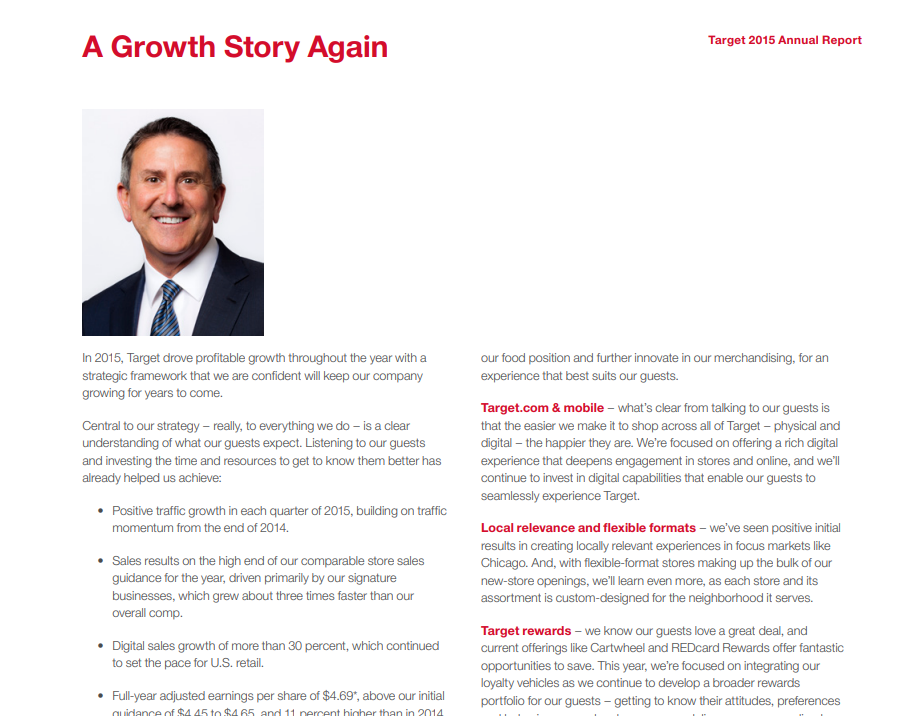
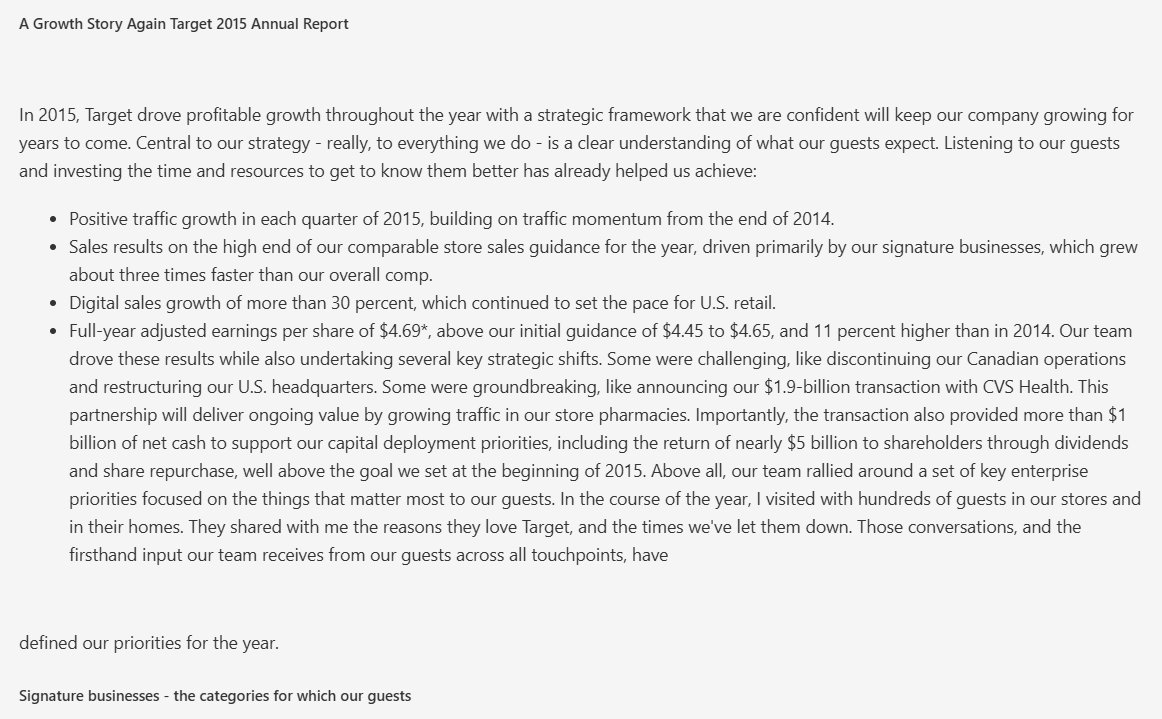
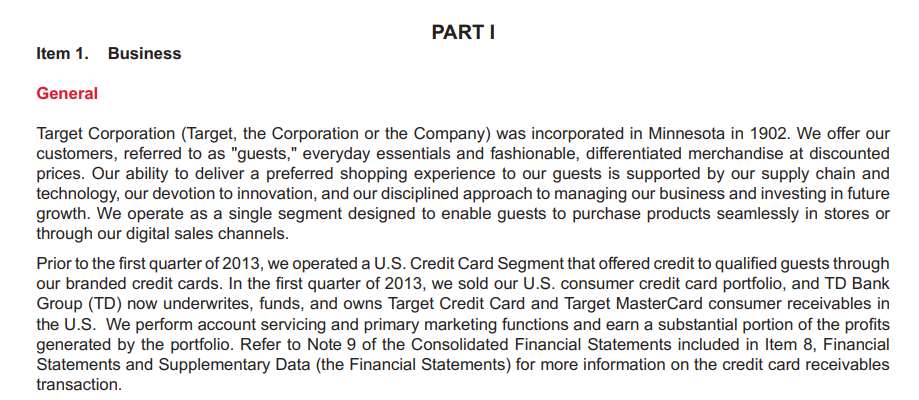
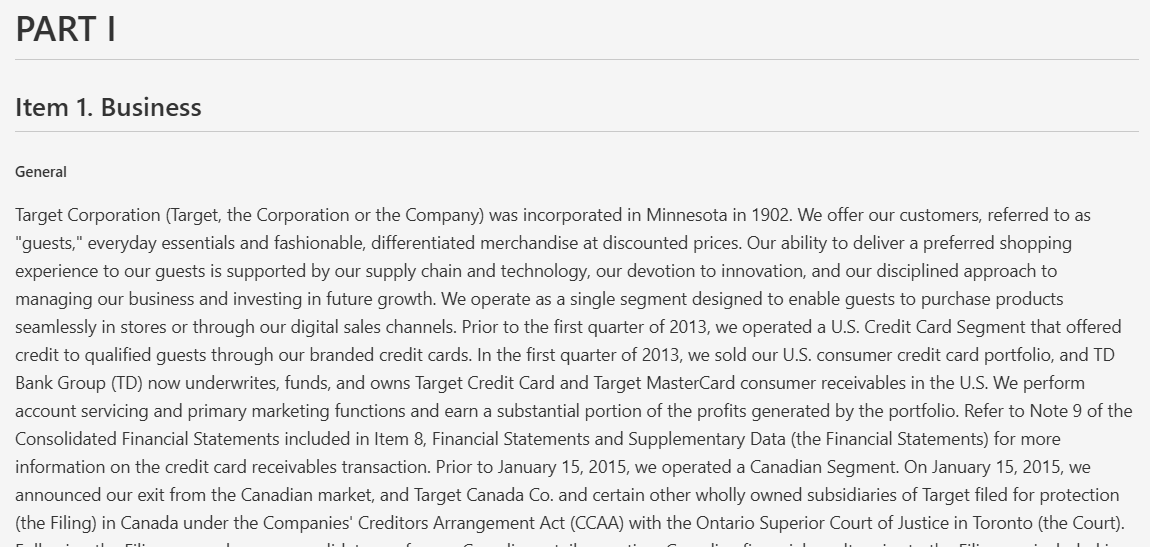
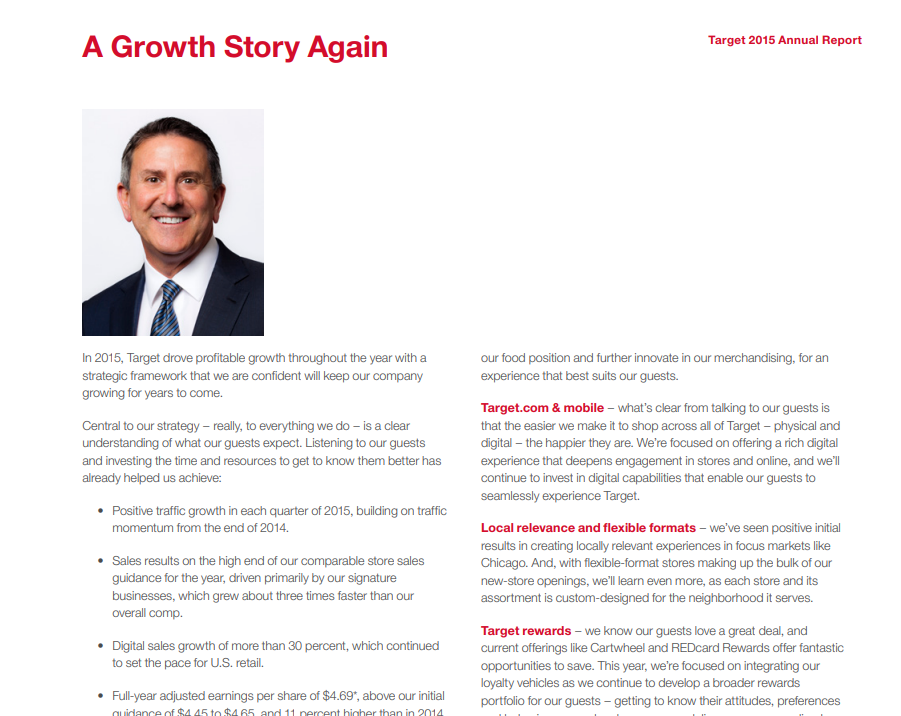
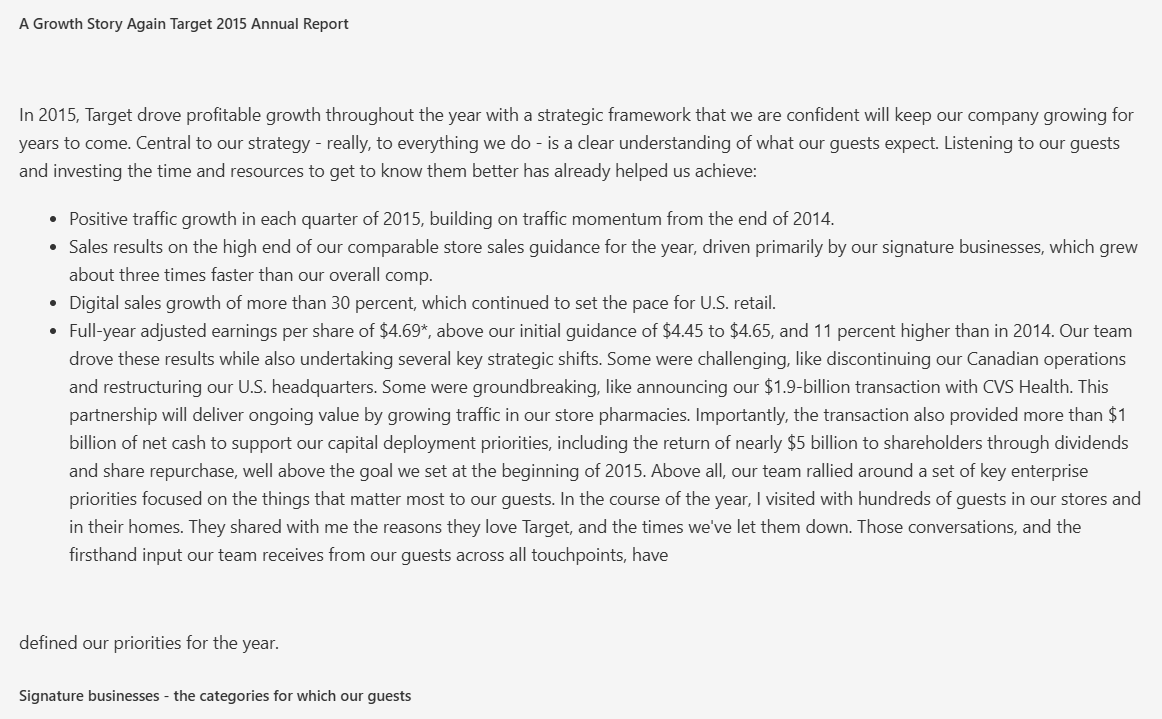
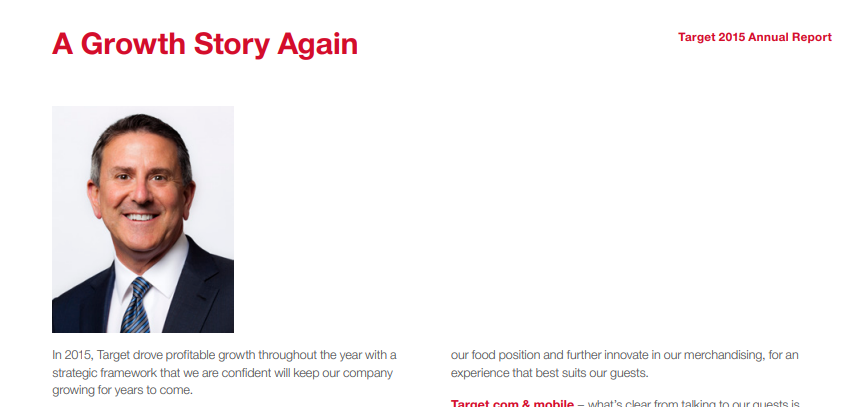
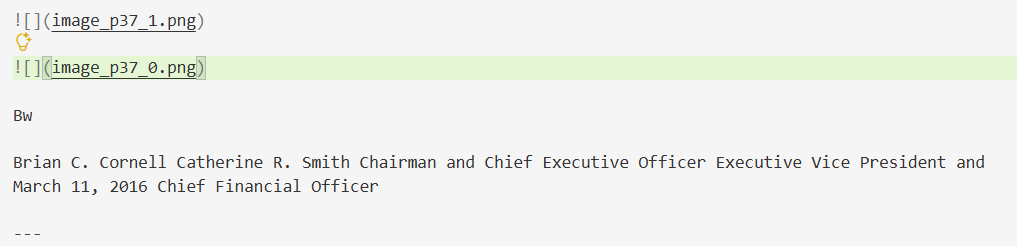
Observed output: Output artifact (Image): The CEO letter prose is extracted cleanly with the opening narrative and bullet points intact, while the original page styling is dropped. — liteparse_input1_hybridearnings_ceo_letter_parsed_success.png
Output artifact: Output artifact (Image): The CEO letter prose is extracted cleanly with the opening narrative and bullet points intact, while the original page styling is dropped. — liteparse_input1_hybridearnings_ceo_letter_parsed_success.png
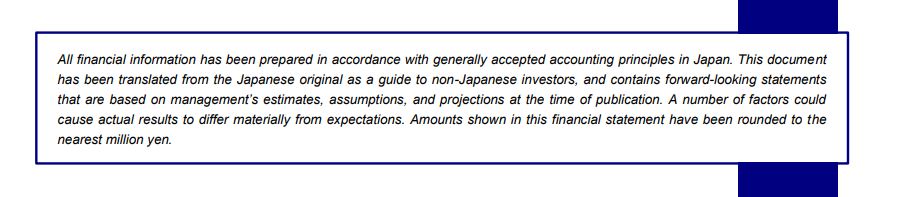
Observed output: Output artifact (Image): The Japanese GAAP disclaimer is extracted cleanly as a single readable paragraph with the translation and rounding note preserved. — liteparse_input2_financialpdf_disclaimer_text_parsed_success.png
Output artifact: Output artifact (Image): The Japanese GAAP disclaimer is extracted cleanly as a single readable paragraph with the translation and rounding note preserved. — liteparse_input2_financialpdf_disclaimer_text_parsed_success.png
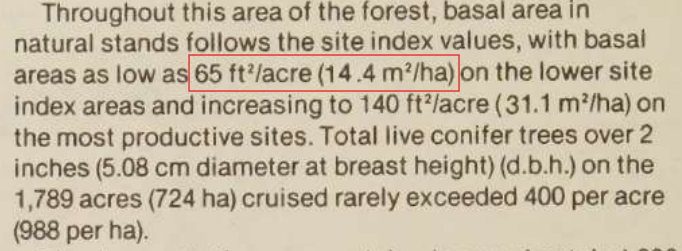
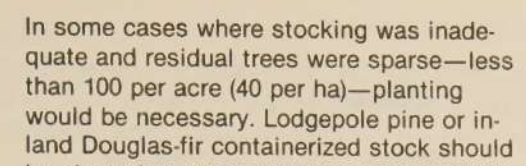
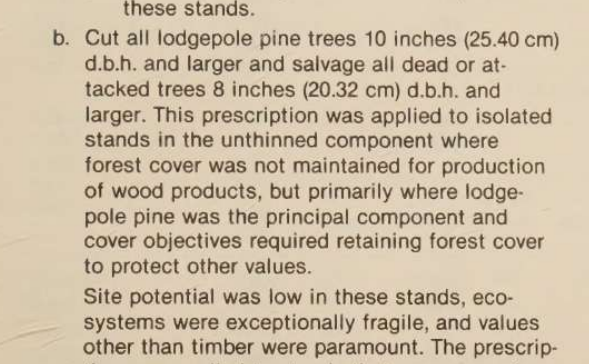
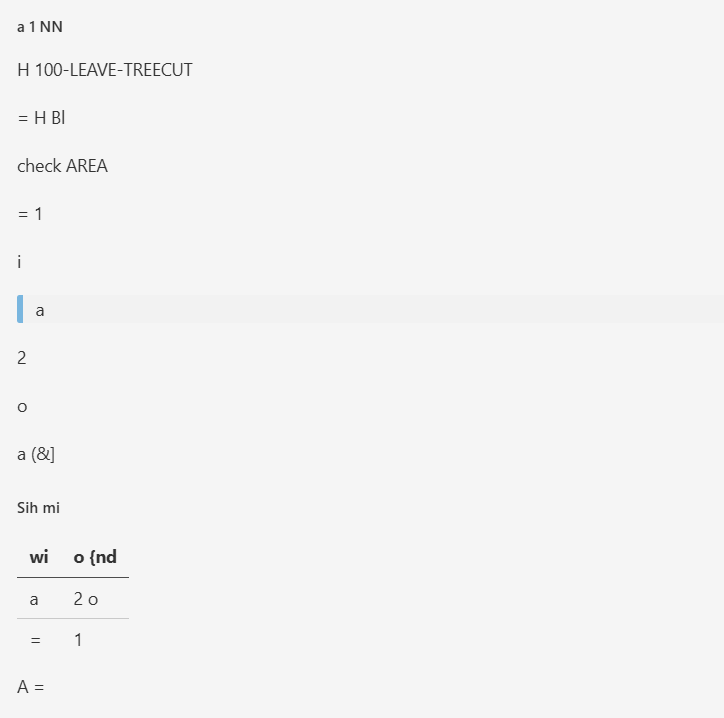
Observed output: Output artifact (Image): A narrow scanned-paper snippet loses superscript formatting and substitutes characters in the unit expression, showing OCR degradation on scanned text. — liteparse_input3_scannedpaper_superscript_parsed_failure.png
Output artifact: Output artifact (Image): A narrow scanned-paper snippet loses superscript formatting and substitutes characters in the unit expression, showing OCR degradation on scanned text. — liteparse_input3_scannedpaper_superscript_parsed_failure.png
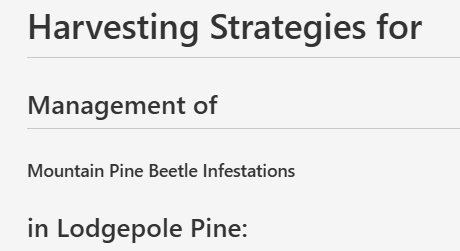
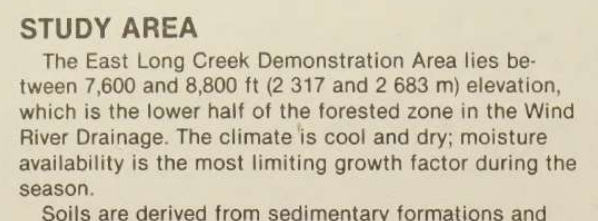
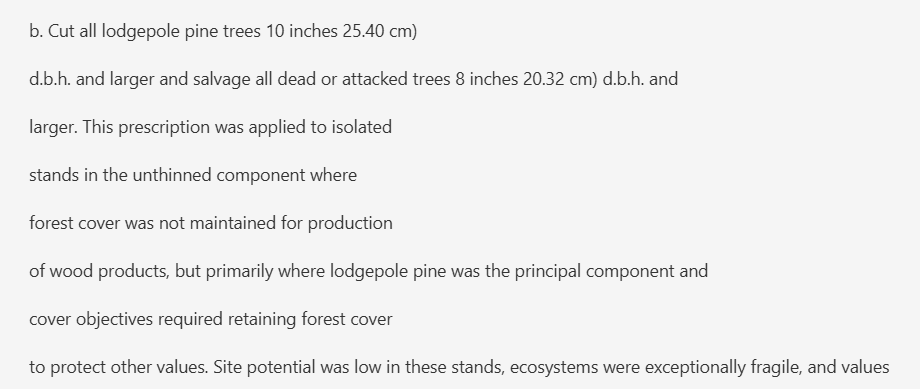
Observed output: Output artifact (Image): A cropped scanned-forest-paper fragment is clipped and OCR-garbled, with word splits and missing phrase boundaries. — liteparse_input3_scannedpaper_text_fragment_parsed_failure.png
Output artifact: Output artifact (Image): A cropped scanned-forest-paper fragment is clipped and OCR-garbled, with word splits and missing phrase boundaries. — liteparse_input3_scannedpaper_text_fragment_parsed_failure.png
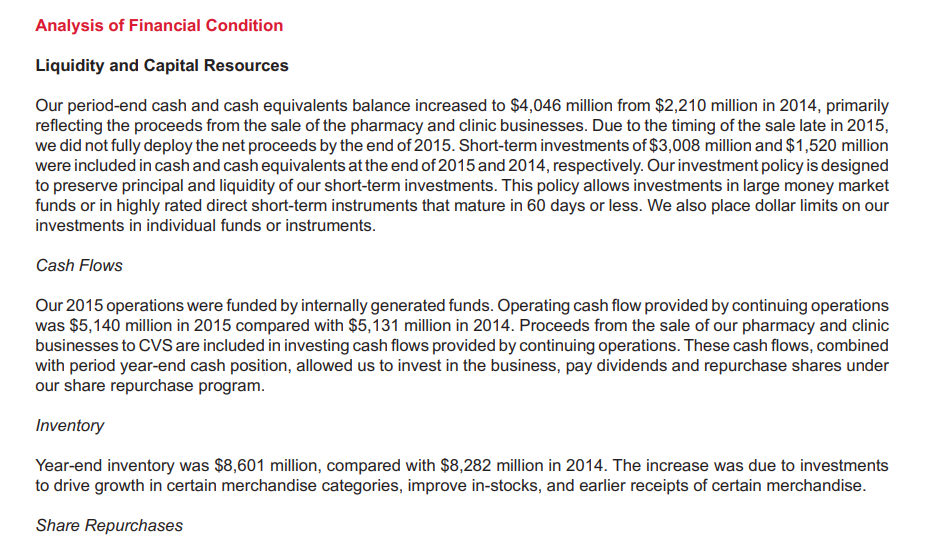
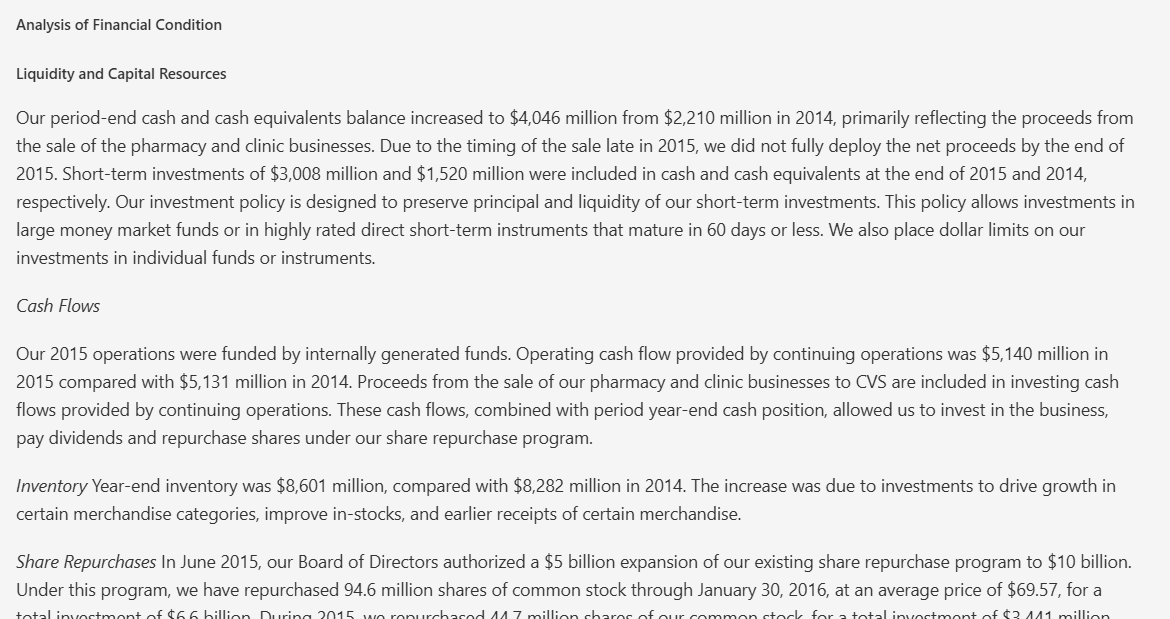
Observed output: Output artifact (Image): A dense later-section page is preserved as readable prose with financial figures intact, showing no quality drop later in the 84-page report. — liteparse_input1_hybridearnings_liquidity_section_parsed_success.png
Output artifact: Output artifact (Image): A dense later-section page is preserved as readable prose with financial figures intact, showing no quality drop later in the 84-page report. — liteparse_input1_hybridearnings_liquidity_section_parsed_success.png
What changed: Image transformed into Image
Why it matters / Conclusion: Clean on native PDFs; OCR degrades on complex scans, especially when layout and typography get harder.
LiteParse extracts readable prose from native-digital report pages, including long paragraphs, headings, and disclaimer copy, and can also OCR scanned research-paper pages with reduced reliability. The same capability is exercised on both the native reports and the scanned paper snippets, where OCR introduces substitutions, word splitting, and clipped lines.
image
↓→
image
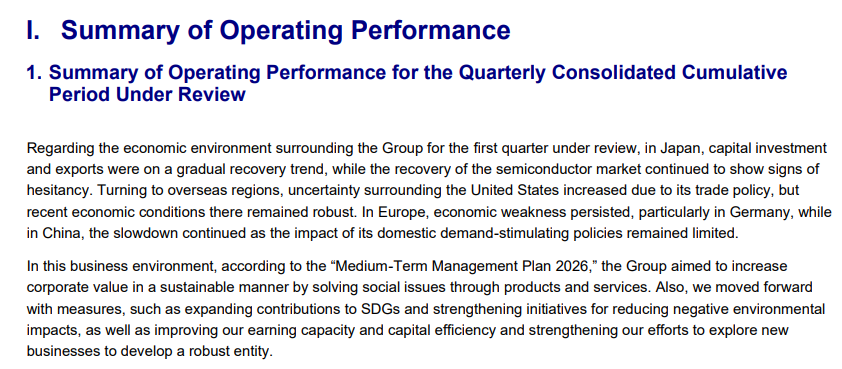
The CEO letter prose is extracted cleanly with the opening narrative and bullet points intact, while the original page styling is dropped.
INPUT
↓→
OUTPUT
The Japanese GAAP disclaimer is extracted cleanly as a single readable paragraph with the translation and rounding note preserved.
INPUT
↓→
OUTPUT
A narrow scanned-paper snippet loses superscript formatting and substitutes characters in the unit expression, showing OCR degradation on scanned text.
INPUT
↓→
OUTPUT
A cropped scanned-forest-paper fragment is clipped and OCR-garbled, with word splits and missing phrase boundaries.
image
↓→
image
A dense later-section page is preserved as readable prose with financial figures intact, showing no quality drop later in the 84-page report.
Bottom Line
Clean on native PDFs; OCR degrades on complex scans, especially when layout and typography get harder.
From our researchPDF to markdown using open source libraries
Table Extraction and Reconstruction
Usable on some clean tables, but headers, merged rows, and scan-heavy tables are fragile.
▾
Test Summary
Feature tested: Table Extraction and Reconstruction
Result: Partial — Usable on some clean tables, but headers, merged rows, and scan-heavy tables are fragile.
Feature tested: Table Extraction and Reconstruction
Result: Partial
Verdict: Usable on some clean tables, but headers, merged rows, and scan-heavy tables are fragile.
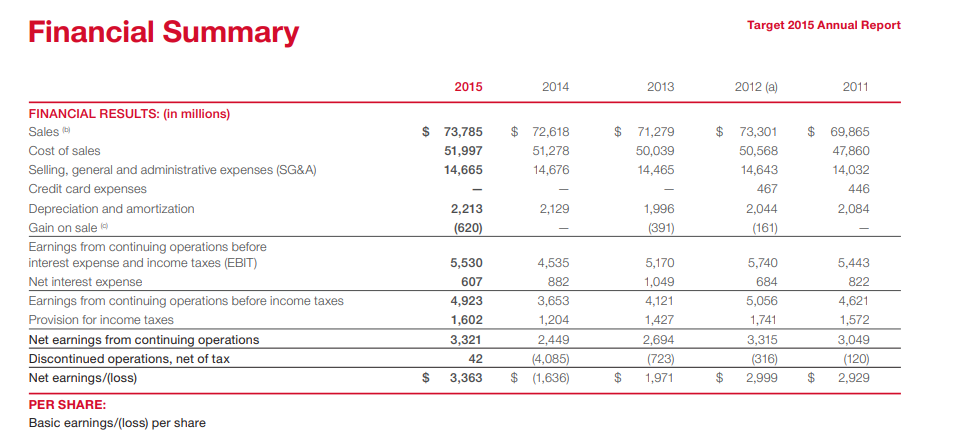
Expected behavior: LiteParse can turn some financial tables into usable markdown, but denser or scanned tables lose header structure, split multi-line labels, and drift out of row/column alignment. The evidence comes from the tested financial tables and scan-based table cases.
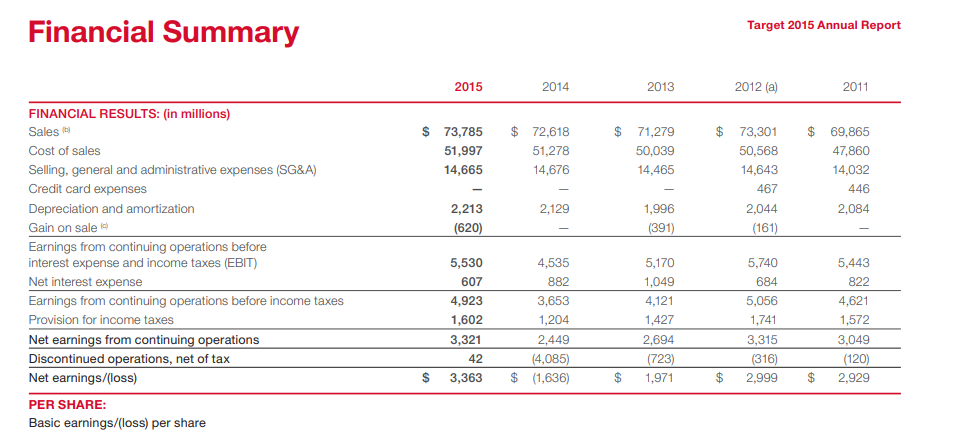
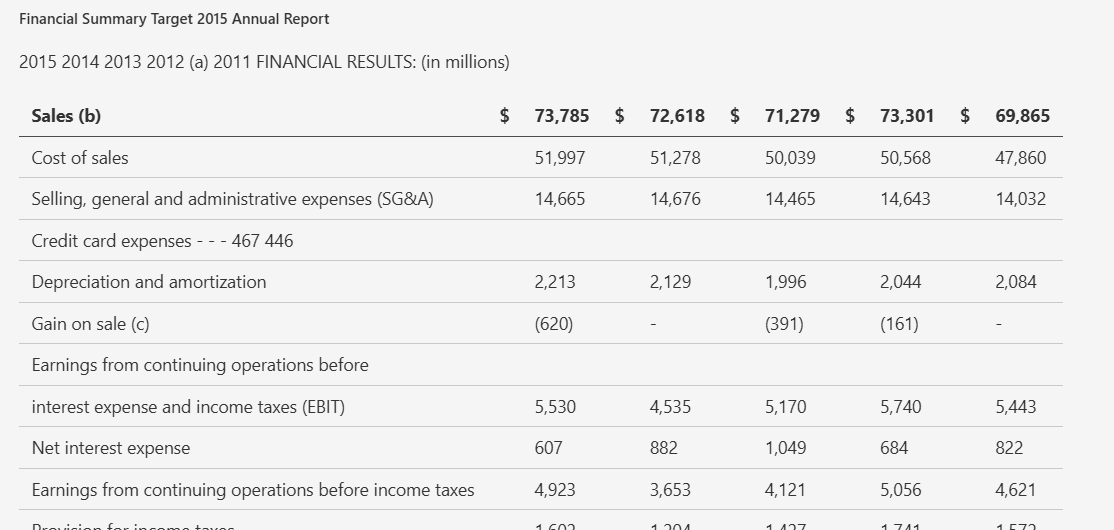
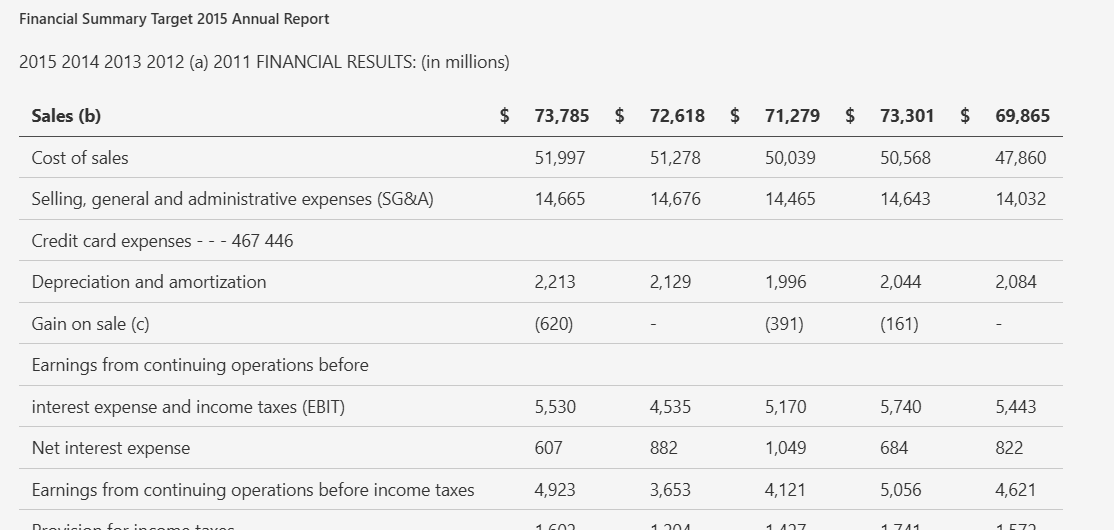
Observed output: Output artifact (Image): The Target financial summary table keeps some values, but the header row is flattened and the row structure is degraded. — liteparse_input1_hybridearnings_financial_table_parsed_failure.png
Output artifact: Output artifact (Image): The Target financial summary table keeps some values, but the header row is flattened and the row structure is degraded. — liteparse_input1_hybridearnings_financial_table_parsed_failure.png
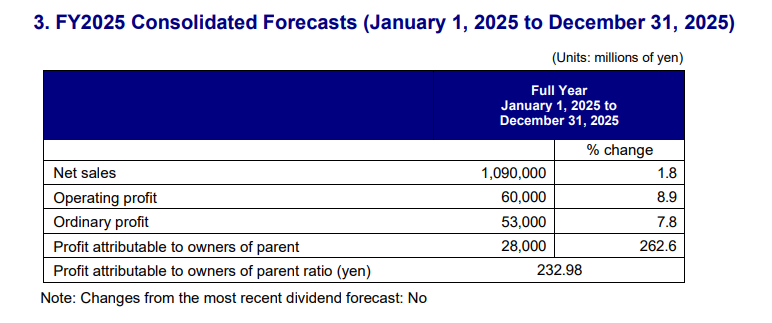
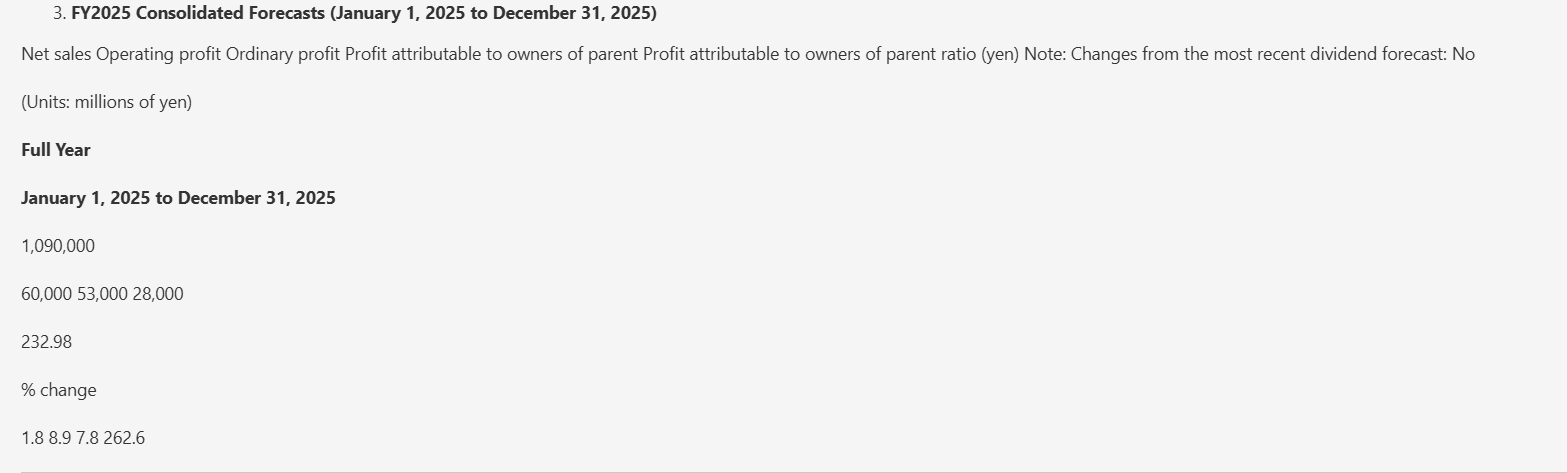
Observed output: Output artifact (Image): The FY2025 forecasts table is flattened into awkward lines of text, with row and column relationships lost. — liteparse_input2_financialpdf_fy2025_table_parsed_failed.png
Output artifact: Output artifact (Image): The FY2025 forecasts table is flattened into awkward lines of text, with row and column relationships lost. — liteparse_input2_financialpdf_fy2025_table_parsed_failed.png
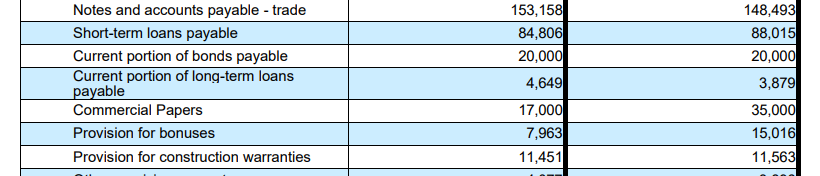
Observed output: Output artifact (Image): A liabilities row is split across multiple lines, showing broken row segmentation in an otherwise numeric table. — liteparse_input2_financialpdf_liabilities_table_parsed_failure.png
Output artifact: Output artifact (Image): A liabilities row is split across multiple lines, showing broken row segmentation in an otherwise numeric table. — liteparse_input2_financialpdf_liabilities_table_parsed_failure.png
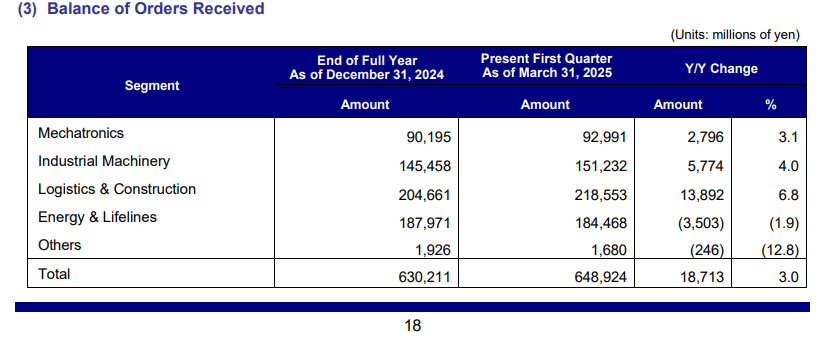
Observed output: Output artifact (Text/code file): The segment orders-received table is readable in markdown and keeps its year-over-year columns, though the report still shows table-fidelity issues elsewhere. — liteparse_input2_financialpdf_output.md
Output artifact: Output artifact (Text/code file): The segment orders-received table is readable in markdown and keeps its year-over-year columns, though the report still shows table-fidelity issues elsewhere. — liteparse_input2_financialpdf_output.md
What changed: Image transformed into Text/code file
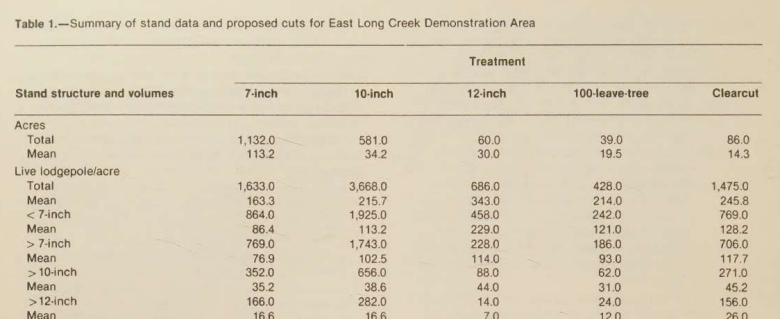
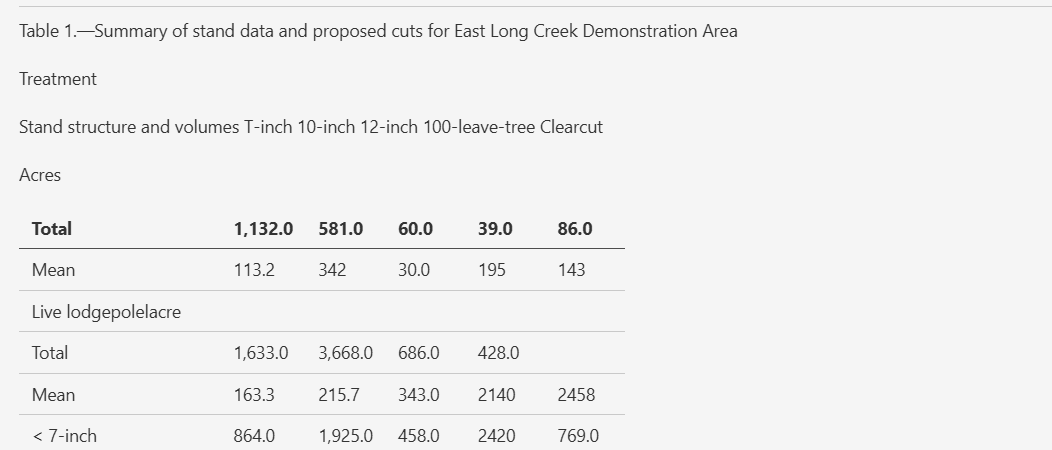
Observed output: Output artifact (Text/code file): This scanned table is the weakest case: row alignment breaks down severely and part of the table is left as plain text. — liteparse_input3_scannedpaper_output.md
Output artifact: Output artifact (Text/code file): This scanned table is the weakest case: row alignment breaks down severely and part of the table is left as plain text. — liteparse_input3_scannedpaper_output.md
What changed: Image transformed into Text/code file
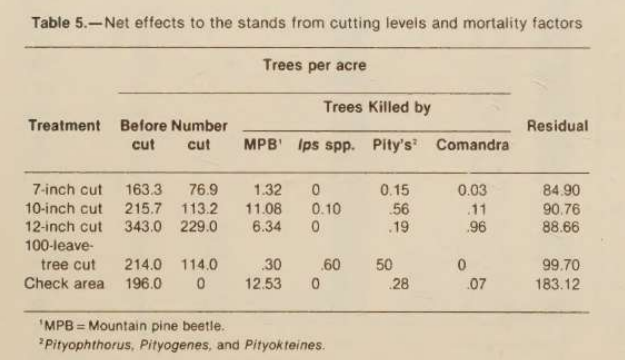
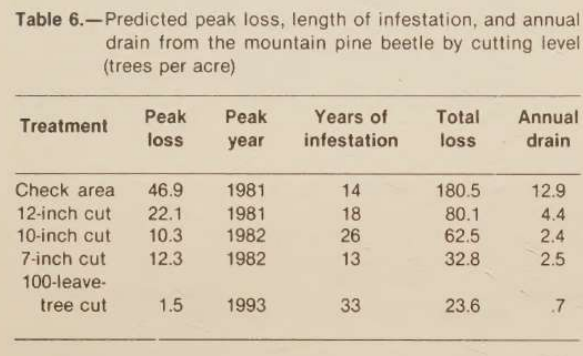
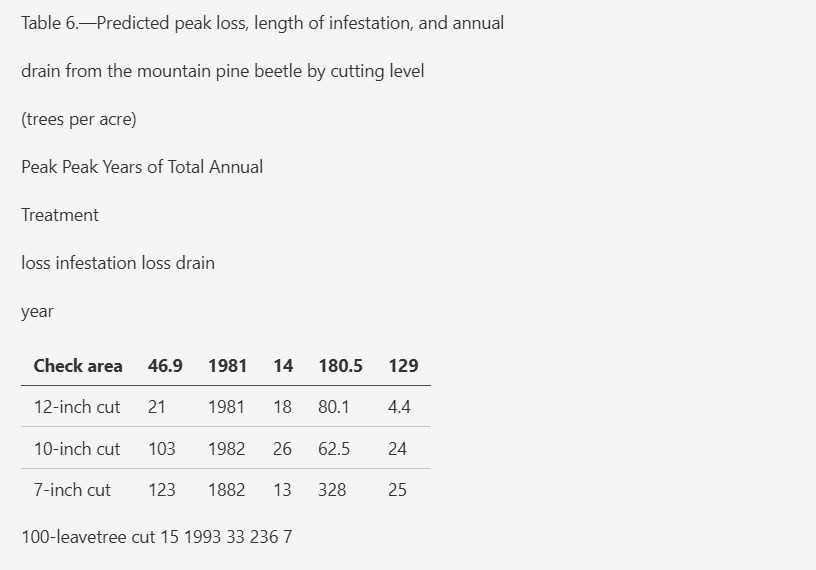
Observed output: Output artifact (Image): The scanned Table 6 drops row structure and leaves the last row outside the table, making the data unreliable. — liteparse_input3_scannedpaper_table_6_parsed_failure.png
Output artifact: Output artifact (Image): The scanned Table 6 drops row structure and leaves the last row outside the table, making the data unreliable. — liteparse_input3_scannedpaper_table_6_parsed_failure.png
What changed: Image transformed into Image
Why it matters / Conclusion: Some cleaner tables are usable, but structural fidelity is inconsistent and scan-based tables are not dependable.
LiteParse can turn some financial tables into usable markdown, but denser or scanned tables lose header structure, split multi-line labels, and drift out of row/column alignment. The evidence comes from the tested financial tables and scan-based table cases.
INPUT
↓→
OUTPUT
The Target financial summary table keeps some values, but the header row is flattened and the row structure is degraded.
INPUT
↓→
OUTPUT
The FY2025 forecasts table is flattened into awkward lines of text, with row and column relationships lost.
INPUT
↓→
OUTPUT
A liabilities row is split across multiple lines, showing broken row segmentation in an otherwise numeric table.
INPUT
↓→
OUTPUT
The scanned Table 1 loses clean column alignment and becomes a fragmented markdown table with misassigned values.
image
↓→
text
liteparse_input2_financialpdf_output.md
Loading file...
The segment orders-received table is readable in markdown and keeps its year-over-year columns, though the report still shows table-fidelity issues elsewhere.
image
↓→
text
liteparse_input3_scannedpaper_output.md
Loading file...
This scanned table is the weakest case: row alignment breaks down severely and part of the table is left as plain text.
INPUT
↓→
OUTPUT
The scanned Table 6 drops row structure and leaves the last row outside the table, making the data unreliable.
Bottom Line
Some cleaner tables are usable, but structural fidelity is inconsistent and scan-based tables are not dependable.
From our researchPDF to markdown using open source libraries
Document Hierarchy Preservation
Strong on native report headings and TOCs; scanned titles and section headers fragment or flatten.
▾
Test Summary
Feature tested: Document Hierarchy Preservation
Result: Partial — Strong on native report headings and TOCs; scanned titles and section headers fragment or flatten.
Feature tested: Document Hierarchy Preservation
Result: Partial
Verdict: Strong on native report headings and TOCs; scanned titles and section headers fragment or flatten.
Expected behavior: LiteParse preserves markdown hierarchy on native-digital reports, keeping section headers and table-of-contents structure intact. On scanned paper, those same headings can collapse into plain text and lose their structural roles.
Observed output: Output artifact (Image): The Item 1 page is converted into proper Markdown heading levels, with the section structure preserved in readable form. — liteparse_input1_hybridearnings_item_header_parsed_success.png
Output artifact: Output artifact (Image): The Item 1 page is converted into proper Markdown heading levels, with the section structure preserved in readable form. — liteparse_input1_hybridearnings_item_header_parsed_success.png
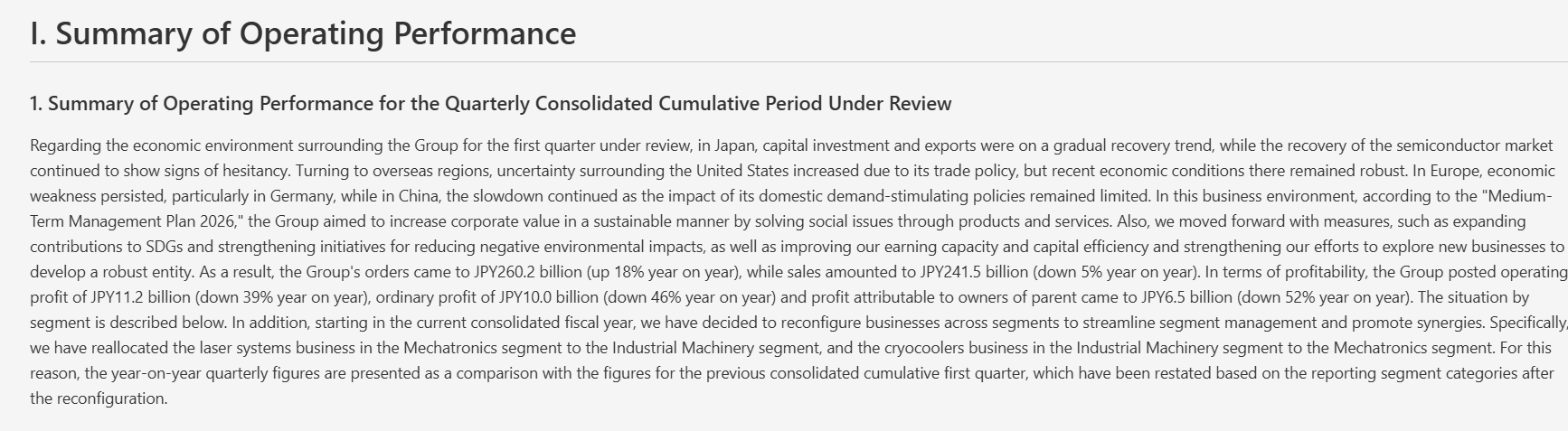
Observed output: Output artifact (Image): The summary section keeps genuine markdown heading levels, even though the extracted body text is dense and long. — liteparse_input2_financialpdf_summary_section_parsed_failed.png
Output artifact: Output artifact (Image): The summary section keeps genuine markdown heading levels, even though the extracted body text is dense and long. — liteparse_input2_financialpdf_summary_section_parsed_failed.png
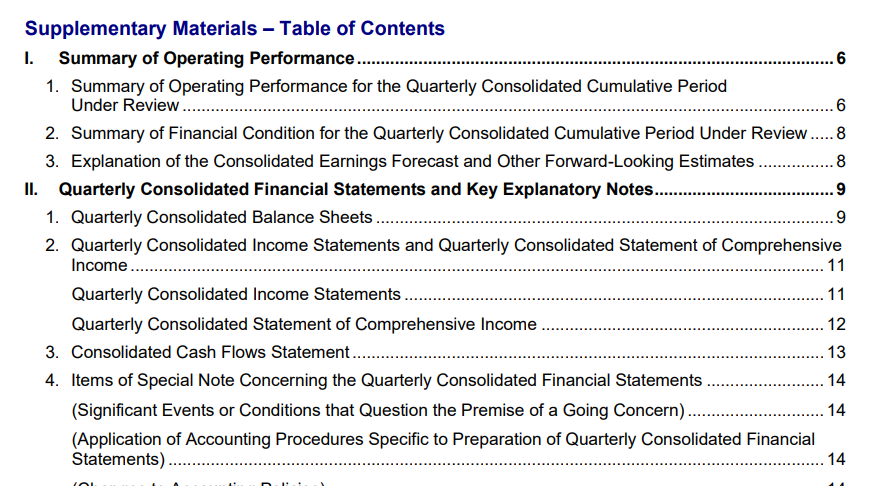
Observed output: Output artifact (Image): The table of contents keeps its hierarchy and dot leaders, even though the output file label is inconsistent. — liteparse_input2_financialpdf_toc_parsed_failed.png
Output artifact: Output artifact (Image): The table of contents keeps its hierarchy and dot leaders, even though the output file label is inconsistent. — liteparse_input2_financialpdf_toc_parsed_failed.png
What changed: Image transformed into Image
Test case: Image → Image
Input type: Image
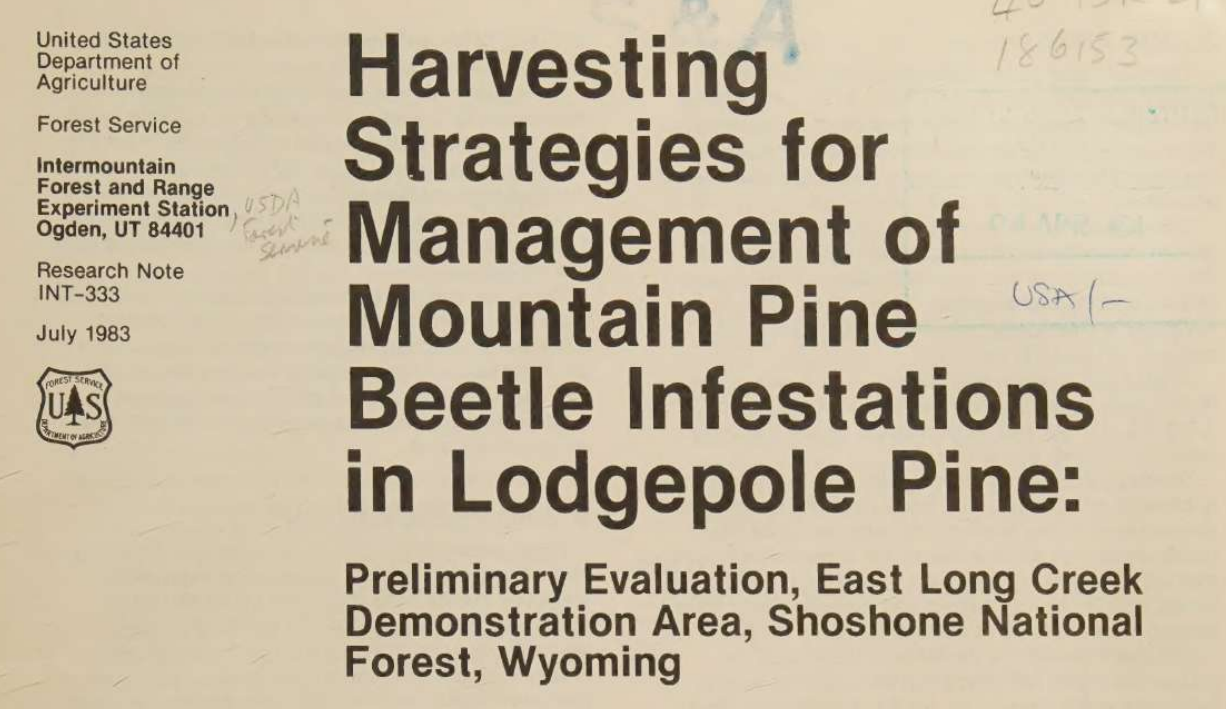
Input used: Input artifact (Image): Scanned paper title page — liteparse_input3_scannedpaper_title.png
Observed output: Output artifact (Image): The scanned title page is fragmented across several heading levels instead of being kept as a single clean title. — liteparse_input3_scannedpaper_title_parsed_failure.png
Input artifact: Input artifact (Image): Scanned paper title page — liteparse_input3_scannedpaper_title.png
Output artifact: Output artifact (Image): The scanned title page is fragmented across several heading levels instead of being kept as a single clean title. — liteparse_input3_scannedpaper_title_parsed_failure.png
Observed output: Output artifact (Image): The study-area heading is left as plain text instead of a true markdown section header. — liteparse_input3_scannedpaper_study_area_header_parsed_failure.png
Output artifact: Output artifact (Image): The study-area heading is left as plain text instead of a true markdown section header. — liteparse_input3_scannedpaper_study_area_header_parsed_failure.png
Observed output: Output artifact (Image): The two-column CEO letter is read in the correct logical order, with the left column completed before the right column begins. — liteparse_input1_hybridearnings_ceo_letter_reading_order_parsed_success.png
Output artifact: Output artifact (Image): The two-column CEO letter is read in the correct logical order, with the left column completed before the right column begins. — liteparse_input1_hybridearnings_ceo_letter_reading_order_parsed_success.png
What changed: Image transformed into Image
Why it matters / Conclusion: Reliable for headings and TOCs on clean PDFs, but scanned titles and section headers lose their structure.
LiteParse preserves markdown hierarchy on native-digital reports, keeping section headers and table-of-contents structure intact. On scanned paper, those same headings can collapse into plain text and lose their structural roles.
image
↓→
image
The Item 1 page is converted into proper Markdown heading levels, with the section structure preserved in readable form.
INPUT
↓→
OUTPUT
The summary section keeps genuine markdown heading levels, even though the extracted body text is dense and long.
file
Table of contents page
↓→
image
The table of contents keeps its hierarchy and dot leaders, even though the output file label is inconsistent.
file
Scanned paper title page
↓→
image
The scanned title page is fragmented across several heading levels instead of being kept as a single clean title.
INPUT
↓→
OUTPUT
The study-area heading is left as plain text instead of a true markdown section header.
image
↓→
image
The two-column CEO letter is read in the correct logical order, with the left column completed before the right column begins.
Bottom Line
Reliable for headings and TOCs on clean PDFs, but scanned titles and section headers lose their structure.
From our researchPDF to markdown using open source libraries
Reading Order Preservation
Correct on clean multi-column and ordered layouts; scan-heavy pages can fragment flow.
▾
Test Summary
Feature tested: Reading Order Preservation
Result: Partial — Correct on clean multi-column and ordered layouts; scan-heavy pages can fragment flow.
Feature tested: Reading Order Preservation
Result: Partial
Verdict: Correct on clean multi-column and ordered layouts; scan-heavy pages can fragment flow.
Expected behavior: LiteParse usually keeps logical sequence intact in the CEO letter’s multi-column layout and the report’s ordered table of contents. The scanned paper test shows only partial breakdown, mainly through a fragmented list item that interrupts flow.
Observed output: Output artifact (Image): The CEO letter is read column by column in the correct sequence instead of interleaving lines across columns. — liteparse_input1_hybridearnings_ceo_letter_reading_order_parsed_success.png
Output artifact: Output artifact (Image): The CEO letter is read column by column in the correct sequence instead of interleaving lines across columns. — liteparse_input1_hybridearnings_ceo_letter_reading_order_parsed_success.png
Observed output: Output artifact (Image): The table of contents keeps the right section order and page sequence, even though the formatting is flattened. — liteparse_input2_financialpdf_toc_parsed_failed.png
Output artifact: Output artifact (Image): The table of contents keeps the right section order and page sequence, even though the formatting is flattened. — liteparse_input2_financialpdf_toc_parsed_failed.png
Observed output: Output artifact (Image): A scanned list item is broken into fragments, disrupting the natural reading flow of the paragraph. — liteparse_input3_scannedpaper_pointer_parsed_failure.png
Output artifact: Output artifact (Image): A scanned list item is broken into fragments, disrupting the natural reading flow of the paragraph. — liteparse_input3_scannedpaper_pointer_parsed_failure.png
What changed: Image transformed into Image
Why it matters / Conclusion: Good at preserving logical flow in native PDFs, with only partial breakdown on the scan test.
LiteParse usually keeps logical sequence intact in the CEO letter’s multi-column layout and the report’s ordered table of contents. The scanned paper test shows only partial breakdown, mainly through a fragmented list item that interrupts flow.
INPUT
↓→
OUTPUT
The CEO letter is read column by column in the correct sequence instead of interleaving lines across columns.
INPUT
↓→
OUTPUT
The table of contents keeps the right section order and page sequence, even though the formatting is flattened.
INPUT
↓→
OUTPUT
A scanned list item is broken into fragments, disrupting the natural reading flow of the paragraph.
Bottom Line
Good at preserving logical flow in native PDFs, with only partial breakdown on the scan test.
From our researchPDF to markdown using open source libraries
Embedded Image Preservation
Native-page images are kept as placeholders, but scanned visuals can disappear entirely.
▾
Test Summary
Feature tested: Embedded Image Preservation
Result: Partial — Native-page images are kept as placeholders, but scanned visuals can disappear entirely.
Feature tested: Embedded Image Preservation
Result: Partial
Verdict: Native-page images are kept as placeholders, but scanned visuals can disappear entirely.
Expected behavior: On native PDFs, LiteParse keeps portraits, signatures, and logos as image placeholders or references. On scanned pages, the visuals can be dropped entirely, showing the same image-retention behavior under weaker source conditions.
Observed output: Output artifact (Image): The CEO portrait is retained only as a linked image reference, so the asset is present in the markdown but not actually viewable. — liteparse_input1_hybridearnings_ceo_image_parsed_partial_success.png
Output artifact: Output artifact (Image): The CEO portrait is retained only as a linked image reference, so the asset is present in the markdown but not actually viewable. — liteparse_input1_hybridearnings_ceo_image_parsed_partial_success.png
Observed output: Output artifact (Image): The signature images are not recovered as usable visuals, and the parse only leaves broken image references and fragments. — liteparse_input1_hybridearnings_scanned_signs_parsed_failure.png
Output artifact: Output artifact (Image): The signature images are not recovered as usable visuals, and the parse only leaves broken image references and fragments. — liteparse_input1_hybridearnings_scanned_signs_parsed_failure.png
Observed output: Output artifact (Text/code file): The report logo is preserved as a markdown image placeholder at the top of the file, but there is no accessible image preview. — liteparse_input2_financialpdf_output.md
Output artifact: Output artifact (Text/code file): The report logo is preserved as a markdown image placeholder at the top of the file, but there is no accessible image preview. — liteparse_input2_financialpdf_output.md
What changed: Image transformed into Text/code file
Why it matters / Conclusion: Native images are technically retained, but scanned visuals are dropped outright.
On native PDFs, LiteParse keeps portraits, signatures, and logos as image placeholders or references. On scanned pages, the visuals can be dropped entirely, showing the same image-retention behavior under weaker source conditions.
image
↓→
image
The CEO portrait is retained only as a linked image reference, so the asset is present in the markdown but not actually viewable.
image
↓→
image
The signature images are not recovered as usable visuals, and the parse only leaves broken image references and fragments.
INPUT
↓→
OUTPUT
The USDA logo is omitted entirely from the extracted output, with no placeholder or markdown image syntax generated.
image
↓→
text
liteparse_input2_financialpdf_output.md
Loading file...
The report logo is preserved as a markdown image placeholder at the top of the file, but there is no accessible image preview.
Bottom Line
Native images are technically retained, but scanned visuals are dropped outright.
From our researchPDF to markdown using open source libraries
Chart and Figure Reconstruction
Charts and figures are not faithfully reconstructed; visual meaning is lost.
▾
Test Summary
Feature tested: Chart and Figure Reconstruction
Result: Failed — Charts and figures are not faithfully reconstructed; visual meaning is lost.
Feature tested: Chart and Figure Reconstruction
Result: Failed
Verdict: Charts and figures are not faithfully reconstructed; visual meaning is lost.
Expected behavior: LiteParse attempts to preserve or reconstruct charts and figures from the tested report pages, but the observed outputs often fall back to placeholders or garbled text. The behavior is shown on both the Target report chart and the scanned research-paper figure.
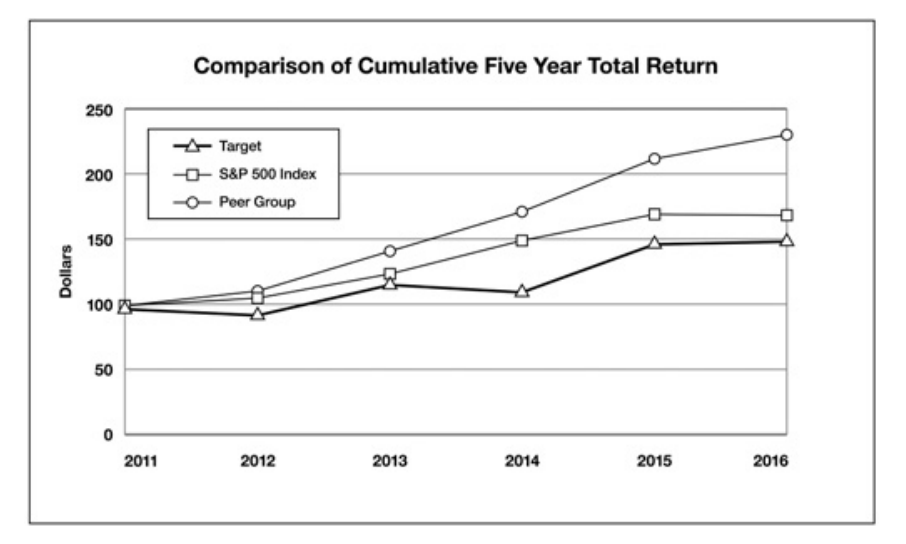
Observed output: Output artifact (Image): The five-year return chart is replaced by a placeholder, with most chart structure missing. — liteparse_input1_hybridearnings_comparison_chart_parsed_failure.png
Output artifact: Output artifact (Image): The five-year return chart is replaced by a placeholder, with most chart structure missing. — liteparse_input1_hybridearnings_comparison_chart_parsed_failure.png
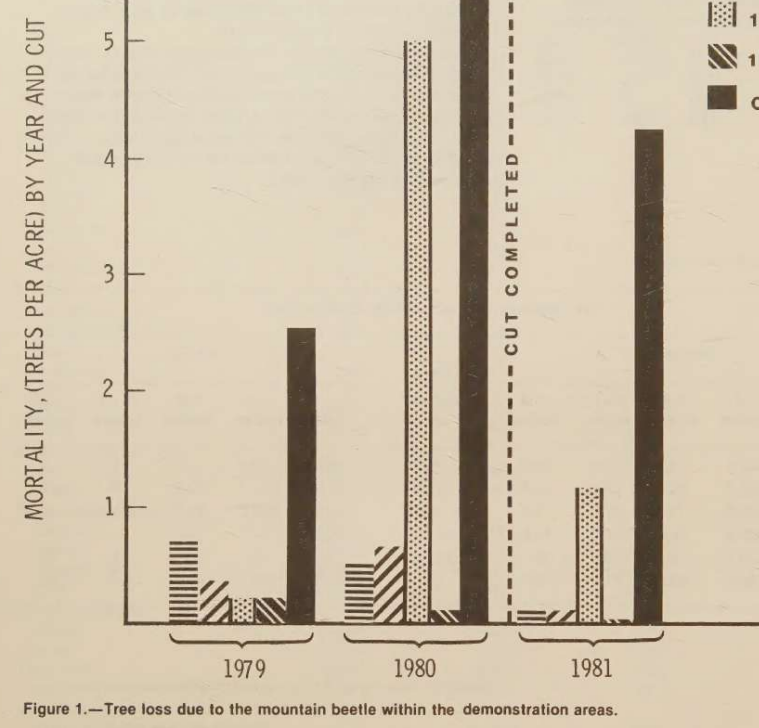
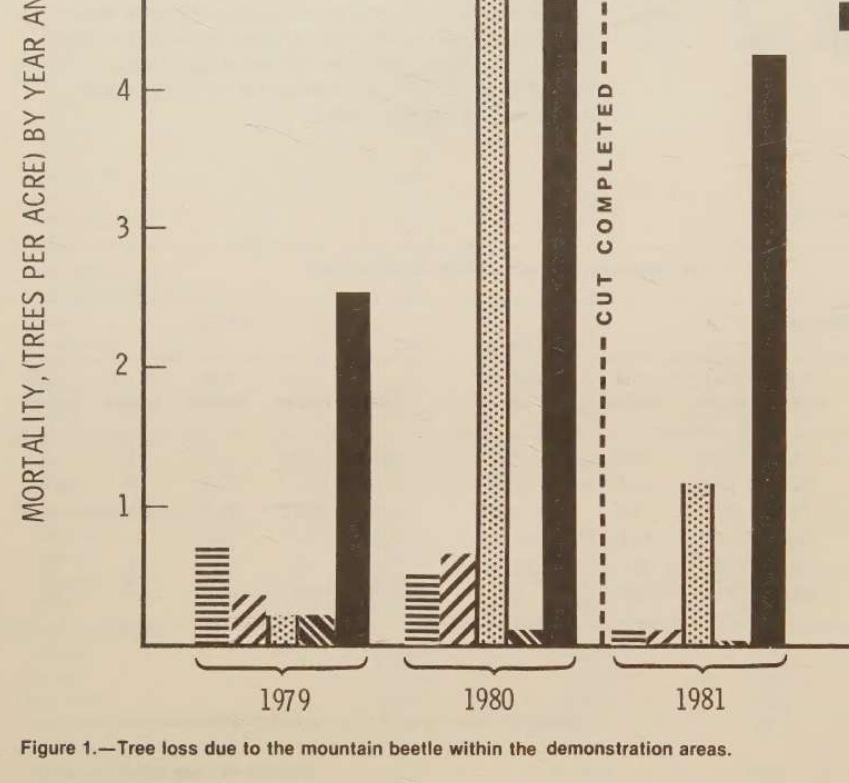
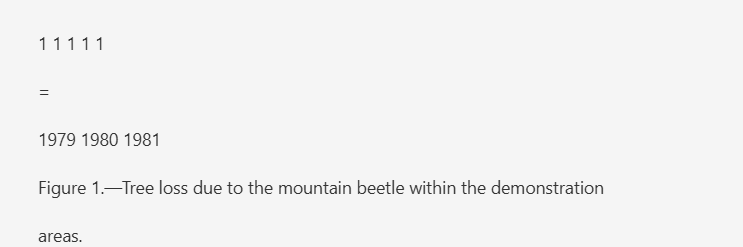
Observed output: Output artifact (Image): The scanned bar chart is reduced to fragmented text and symbols rather than a readable figure. — liteparse_input3_scannedpaper_figure_1_parsed_failure.png
Output artifact: Output artifact (Image): The scanned bar chart is reduced to fragmented text and symbols rather than a readable figure. — liteparse_input3_scannedpaper_figure_1_parsed_failure.png
What changed: Image transformed into Image
Why it matters / Conclusion: Chart/figure reconstruction is one of LiteParse’s weakest areas.
LiteParse attempts to preserve or reconstruct charts and figures from the tested report pages, but the observed outputs often fall back to placeholders or garbled text. The behavior is shown on both the Target report chart and the scanned research-paper figure.
file
Five-year total return comparison chart
↓→
image
The five-year return chart is replaced by a placeholder, with most chart structure missing.
file
Scanned mountain-beetle figure
↓→
image
The scanned bar chart is reduced to fragmented text and symbols rather than a readable figure.
Bottom Line
Chart/figure reconstruction is one of LiteParse’s weakest areas.
From our researchPDF to markdown using open source libraries
Caption/Figure Association
Captions stay attached when the source layout is intact, but become orphaned when visuals vanish on scans.
▾
Test Summary
Feature tested: Caption/Figure Association
Result: Partial — Captions stay attached when the source layout is intact, but become orphaned when visuals vanish on scans.
Feature tested: Caption/Figure Association
Result: Partial
Verdict: Captions stay attached when the source layout is intact, but become orphaned when visuals vanish on scans.
Expected behavior: LiteParse keeps captions and nearby explanatory text attached to the right table or figure on native PDFs, and also keeps caption-like text linked to associated visuals when the page structure is intact. When scanned visuals disappear, those associations break and the text becomes detached.
Observed output: Output artifact (Image): The financial summary header stays directly attached to the table, so the caption-to-table association is preserved on the native PDF. — liteparse_input1_hybridearnings_financial_table_caption_parsed_success.png
Output artifact: Output artifact (Image): The financial summary header stays directly attached to the table, so the caption-to-table association is preserved on the native PDF. — liteparse_input1_hybridearnings_financial_table_caption_parsed_success.png
What changed: Image transformed into Image
Test case: Image → Image
Input type: Image
Input used: Input artifact (Image): Figure 1 caption on the scanned paper — liteparse_input3_scannedpaper_figure_1_caption.png
Observed output: Output artifact (Image): The figure caption survives as text, but the figure itself is missing, so the caption is orphaned. — liteparse_input3_scannedpaper_figure_1_parsed_partial_success.png
Input artifact: Input artifact (Image): Figure 1 caption on the scanned paper — liteparse_input3_scannedpaper_figure_1_caption.png
Output artifact: Output artifact (Image): The figure caption survives as text, but the figure itself is missing, so the caption is orphaned. — liteparse_input3_scannedpaper_figure_1_parsed_partial_success.png
What changed: Image transformed into Image
Why it matters / Conclusion: Works on clean pages, but scan-heavy documents leave captions detached from their visuals.
LiteParse keeps captions and nearby explanatory text attached to the right table or figure on native PDFs, and also keeps caption-like text linked to associated visuals when the page structure is intact. When scanned visuals disappear, those associations break and the text becomes detached.
image
↓→
image
The financial summary header stays directly attached to the table, so the caption-to-table association is preserved on the native PDF.
file
Figure 1 caption on the scanned paper
↓→
image
The figure caption survives as text, but the figure itself is missing, so the caption is orphaned.
Bottom Line
Works on clean pages, but scan-heavy documents leave captions detached from their visuals.
From our researchPDF to markdown using open source libraries
Long-Document Robustness
Quality stays consistent across document length; source type is the real separator.
▾
Test Summary
Feature tested: Long-Document Robustness
Result: Passed — Quality stays consistent across document length; source type is the real separator.
Feature tested: Long-Document Robustness
Result: Passed
Verdict: Quality stays consistent across document length; source type is the real separator.
Expected behavior: LiteParse maintains a consistent baseline across the 84-page hybrid earnings report, the 18-page financial report, and the 12-page scanned paper. The test results suggest document length itself is not the limiting factor; source quality is.
Observed output: Output artifact (Text/code file): The 84-page hybrid earnings report was processed in about 1 minute 21 seconds, with text, headings, and reading order staying strong throughout. — liteparse_input1_hybridearnings_output.md
Output artifact: Output artifact (Text/code file): The 84-page hybrid earnings report was processed in about 1 minute 21 seconds, with text, headings, and reading order staying strong throughout. — liteparse_input1_hybridearnings_output.md
What changed: PDF document transformed into Text/code file
Observed output: Output artifact (Text/code file): The 18-page financial report was processed in about 1 minute 2 seconds, with consistent extraction quality across the document. — liteparse_input2_financialpdf_output.md
Output artifact: Output artifact (Text/code file): The 18-page financial report was processed in about 1 minute 2 seconds, with consistent extraction quality across the document. — liteparse_input2_financialpdf_output.md
What changed: PDF document transformed into Text/code file
Observed output: Output artifact (Text/code file): The 12-page scanned paper was processed in about 49 seconds, but the same structural weaknesses persisted from start to finish. — liteparse_input3_scannedpaper_output.md
Output artifact: Output artifact (Text/code file): The 12-page scanned paper was processed in about 49 seconds, but the same structural weaknesses persisted from start to finish. — liteparse_input3_scannedpaper_output.md
What changed: PDF document transformed into Text/code file
Why it matters / Conclusion: Document length itself was not a problem; the source type determined whether output quality stayed strong or fell apart.
LiteParse maintains a consistent baseline across the 84-page hybrid earnings report, the 18-page financial report, and the 12-page scanned paper. The test results suggest document length itself is not the limiting factor; source quality is.
INPUT
input1_hybridearnings.pdf
↓→
OUTPUT
liteparse_input1_hybridearnings_output.md
Loading file...
The 84-page hybrid earnings report was processed in about 1 minute 21 seconds, with text, headings, and reading order staying strong throughout.
INPUT
input2_financialpdf.pdf
↓→
OUTPUT
liteparse_input2_financialpdf_output.md
Loading file...
The 18-page financial report was processed in about 1 minute 2 seconds, with consistent extraction quality across the document.
INPUT
input3_scannedpaper.pdf
↓→
OUTPUT
liteparse_input3_scannedpaper_output.md
Loading file...
The 12-page scanned paper was processed in about 49 seconds, but the same structural weaknesses persisted from start to finish.
Bottom Line
Document length itself was not a problem; the source type determined whether output quality stayed strong or fell apart.
From our researchPDF to markdown using open source libraries
Open source
Free
$0
Open source
✓ Use This If
●You need a self-hosted, open-source PDF-to-markdown parser for native-digital reports.
●You care most about preserving prose, headings, reading order, and table-of-contents structure on clean PDFs.
●You can tolerate image placeholders and some cleanup in tables.
✕ Skip This If
●Your PDFs are mostly scanned or OCR-heavy.
●You need faithful chart and figure reconstruction.
●You need dependable complex table reconstruction with merged headers and split rows.
Featured in Rankings
Independent rankings where LiteParse was tested and rated.
It worked much better on the two native-digital reports. Text, headings, reading order, and table-of-contents structure stayed strong there, while the scanned paper showed OCR garbling, broken tables, omitted images, and fragmented headings.
Mixed. Some cleaner tables were usable, but headers flattened and rows split on the hybrid earnings and financial report, and the scanned paper tables were severely degraded or unusable.
Yes on native-digital reports. Section headings and TOC ordering were preserved with real markdown hierarchy, but scanned titles and section headers fragmented or flattened.
On native PDFs, LiteParse keeps images and signatures as markdown image placeholders, but they are not actually viewable. On the scanned paper, the USDA logo and other visuals were dropped entirely.
Yes in the CEO letter test, where it read the columns in the correct sequence. The scanned paper was only partially reliable, with at least one fragmented list item disrupting flow.
The report identifies LiteParse as open source and lists it as free at $0.
Banner Preview
How the embed badge will look on your site
Embed HTML
Copy this code to your website source
<a target="_blank" href="https://aidemos.com/tools/liteparse?utm_source=liteparse_embed" style="width: 250px; height: 80px; border-radius:4px;" width="250" height="80">
<img src="https://aidemos-website-images.s3.amazonaws.com/featured.png" alt="LiteParse | Featured on AI Demos" style="width: 250px; height: 80px; border-radius:4px;" width="250" height="80">
</a>
Quick Integration Guide
1Copy the HTML code block above.
2Paste it into your site's HTML or CMS editor.
3Banner appears instantly on your page.
4Links back to your tool profile here.
Similar Tools
Similar Tools
Discover more AI tools like LiteParse to enhance your workflow.
⚡ Built by FutureSmart AI — the team behind AI Demos
Need a custom AI solution for this use case?
If you are looking to build a custom PDF parsing, document extraction, or markdown conversion system for your business or internal workflow, email us at contact@futuresmart.ai.
Found something inaccurate or missing? We try to keep our AI research accurate and useful. If you found outdated information, an issue, or have a suggestion, email us at collaborate@aidemos.com.